Trump Considers Actions to Stabilize Energy Prices Amid Iran Strikes

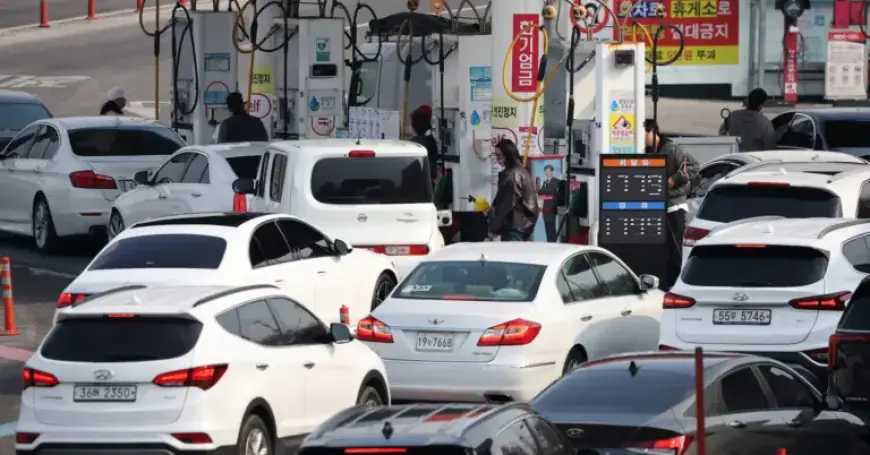
The rising tensions in the Middle East, particularly regarding Iran, have led to significant spikes in oil and gas prices. This surge has prompted actions from U.S. President Donald Trump aimed at stabilizing energy prices amid ongoing Iran strikes.
Key Developments in Energy Prices
As of March 9, crude oil prices have exceeded $100 per barrel, a level not witnessed since mid-2022. This increase is primarily attributed to military operations in Iran, which have disrupted oil exports from the region.
The Trump administration is actively considering various measures to mitigate the impact of rising energy prices on American businesses and consumers. These considerations come at a crucial time, as the November midterm elections approach and Republicans seek to maintain control of Congress.
Possible Actions Under Review
- Joint release of crude oil from strategic reserves with G7 nations.
- Restrictions on U.S. oil exports.
- Interventions in oil futures markets.
- Waiving federal taxes on fuel.
- Lifting Jones Act limitations on shipping.
Administration officials are in coordination with Gulf allies to restore oil production and shipping capabilities. Despite these efforts, analysts suggest that U.S. policy may have limited effectiveness unless the Strait of Hormuz, a critical chokepoint for global oil supply, is secured for shipping traffic.
White House’s Response
The White House has called for proposals from federal agencies to alleviate pressure on crude and gasoline prices. Key figures in the administration, including Chief of Staff Susie Wiles and adviser Stephen Miller, are involved in these discussions.
Trump has publicly downplayed the price surge, referring to it as a temporary situation, while asserting that only “a fool” would think otherwise. Nevertheless, the soaring fuel costs could affect the broader economy by increasing transportation and consumer prices.
Recent Trends in Oil Prices
Since the U.S. and Israeli military actions began on February 28, global crude oil prices briefly reached $119 per barrel. The impact on gasoline and fuel prices has been significant, prompting the White House to prioritize energy market stability.
Overall, the current energy crisis poses substantial challenges for the Trump administration, as rising costs could influence voter sentiment ahead of the upcoming elections. The measures under consideration indicate a strong commitment to addressing these concerns, but the effectiveness of such strategies remains uncertain.