





















Act Now: Seize Opportunities in Trump’s Second Year

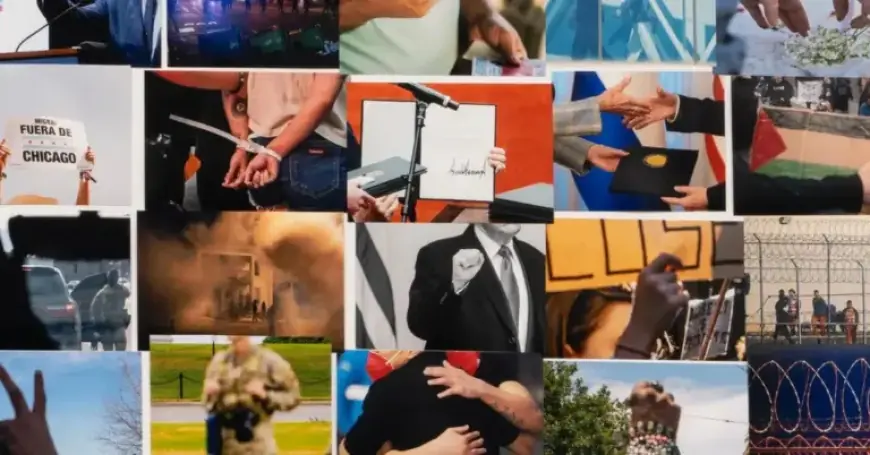
In the ever-evolving political landscape of the United States, the influence of the Trump administration continues to shape civil society, the media, and electoral processes. As the nation moves toward the 2026 elections, understanding these shifts is crucial.
Impact of Trump’s Administration on Civil Society
The current state of civil society reflects significant changes since Trump’s ascent to power. Legal battles have become commonplace as lawyers contest the administration’s actions. Grassroots movements have emerged, with citizens rallying to resist governmental overreach, especially concerning immigration enforcement.
- Judiciary Transformations: The judiciary is less independent now than it was a year ago.
- Pressure on Universities: Attacks on educational institutions have altered their operational landscape.
- NGOs and Philanthropies: Nonprofits face unprecedented challenges and threats, affecting their missions and public trust.
Changes in the Media Landscape
Media independence has seen a dramatic decline. Ownership changes at major outlets like The Washington Post and CBS News have influenced editorial independence. Following the recent election, corporate interests have increasingly prioritized political alignment, particularly with Trump’s administration.
- Lawsuits Against Media: Trump has initiated multiple legal actions against prominent media organizations, including The New York Times.
- Access to Information: The administration has restricted legacy media access while favoring loyalist journalists.
- Shifts in Reporting: CBS News is reportedly adjusting its programming to align more closely with pro-Trump sentiments.
Concerns for Future Elections
The prospect of the 2026 elections raises alarms about their fairness and integrity. Trump’s ongoing grievances against state election authorities have shaped a campaign centered on sowing distrust.
- Executive Actions: Restrictions on voting access have intensified, affecting the rights of voters across several states.
- State-Level Restrictions:
- Florida has intensified enforcement on voter registration.
- Ohio and others have enacted stringent voter ID laws.
- Georgia has reduced polling hours and banned food and water distribution to voters in line.
- Texas has implemented a redistricting map that may disenfranchise minority voters.
Trump’s threats to use military force to address perceived election threats and his proposal for $2,000 checks to sway voters could further diminish the electoral process’s credibility.
Conclusion: The Urgency to Act
As the country approaches critical electoral milestones, it’s vital for citizens to recognize these shifts. Act now to safeguard democratic institutions and ensure fair opportunities within Trump’s evolving political landscape. Addressing these challenges will be crucial for preserving civil society, maintaining media integrity, and ensuring free and fair elections in the future.