Starfleet Academy Faces Review Bombing: A Disappointing Predictability

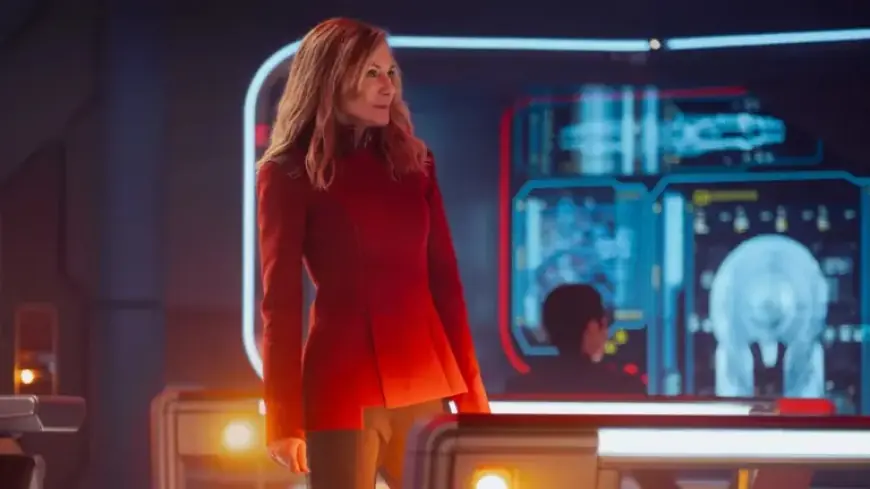
The new series “Star Trek: Starfleet Academy” on Paramount+ is facing significant backlash from a faction of viewers, who are resorting to review bombing. This reaction highlights a growing divide among fans regarding the direction of the franchise. Detractors criticize the series for its emphasis on progressive themes, particularly those involving female characters and LGBTQ+ representation.
Review Scores Reflect Division Among Fans
As of now, the critic rating for “Starfleet Academy” stands at 86% on Rotten Tomatoes. In stark contrast, the audience score has plummeted to 43%, indicating a deep polarization within the fan base. The drastic difference in these ratings reveals ongoing tensions over the series’ narrative choices.
Cameo of Political Commentary
Political figures are also weighing in on the controversy. Stephen Miller, a former Homeland Security Advisor, criticized the show on social media, suggesting that it should seek to bring back iconic star William Shatner to reclaim the spirit of “Star Trek.” His comments, deemed by many as misplaced, add another layer of complexity to the discussion around the series.
The Historical Context of “Star Trek”
“Star Trek” has long been known for its progressive ideals. The franchise made history in 1968 with the first interracial kiss on American television. Throughout its various iterations, it has addressed complex social issues, promoting equality and condemning bigotry. The narrative has always been rooted in humanistic values, pushing boundaries when society was not yet ready for such topics.
Understanding Fan Reactions
- Some fans express dissatisfaction with characters that do not conform to traditional gender stereotypes.
- Critics argue that a minority of viewers are unable to accept the series’ progressive storytelling.
- The complex exploration of prejudice within the franchise has led to misunderstandings among certain segments of the fan base.
Despite occasional missteps in storytelling, the overwhelming majority of “Star Trek” narratives have fostered inclusivity. Characters evolve and confront their own biases, illustrating a broader message of growth and understanding.
Conclusion
The backlash against “Starfleet Academy” serves as a reminder of the tensions within the “Star Trek” community. As with any long-standing franchise, the dialogue surrounding its direction is vital. Ultimately, “Star Trek” has always sought to challenge its audience, encouraging critical reflection on societal issues. Fans must remember that genuine progress is inextricably linked to its core message. As the series continues, it remains to be seen how these conversations will shape its future on Paramount+.