

















Why Does the Weather Constantly Shift? Insight from a Meteorologist

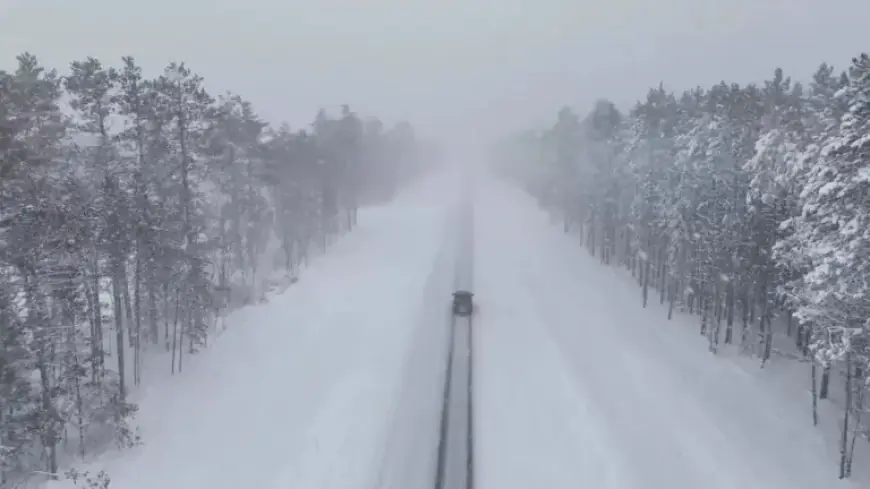
This week, we delve into the fluctuating weather patterns in Michigan, inspired by a question from Gabrielle, a reader of Filmogaz.com. Meteorologist Rob Shackelford sheds light on the factors that contribute to Michigan’s unpredictable weather.
What Causes Unpredictable Weather in Michigan?
Michigan’s weather is known for its surprises. A significant factor is the proximity to the Great Lakes. These vast bodies of water influence the climate significantly, particularly through a phenomenon known as lake-effect snow.
The Role of Lake-Effect Snow
Lake-effect snow occurs when warm air from the lakes meets cold air masses from the continent. This clash creates intense snow bands, leading to sudden and heavy snowfall.
- Warm Air: Generated by the Great Lakes.
- Cold Air: Typically comes from the continental air masses in Canada or northern climates.
Understanding Air Masses
The continental air masses, which develop over large landmasses like North America, greatly influence Michigan’s weather. During winter, polar and arctic air masses are prevalent, originating mainly from Canada and eastern Russia.
For example, in Detroit, you might experience a temperature drop from 40°F to below freezing due to a cold front and strong winds, making the wind chill dangerously low.
Comparison with Other States
In contrast, regions such as Arizona experience less dynamic weather. Their mild temperatures remain consistent due to limited air mass movement and low annual precipitation—averaging around just 2 inches. Comparatively, Atlanta may see that much rain in a single day.
Recent Weather Patterns in Michigan
This year, Michigan has seen warm continental air developing over the Central Plains. This warmth tends to shift eastward, leading to rapid temperature changes when cold fronts pass through.
Impact of Climate Change
Climate change is also playing a role in Michigan’s weather dynamics. Historically, the Great Lakes would freeze over during winters, reducing the occurrences of intense lake-effect snow. However, with warmer water temperatures, these areas can experience more dramatic snowfall conditions.
- Warmer Lakes: Lead to increased lake-effect snow.
- Unpredictable Shifts: Cold fronts can change conditions rapidly.
In summary, the interplay between the Great Lakes, continental air masses, and climate change creates the unique, often unpredictable weather patterns seen in Michigan. Understanding these factors can help residents better prepare for sudden changes.