“Starfleet Academy” Launches to Praise and Political Controversy

This week marked the premiere of the much-anticipated series, Star Trek: Starfleet Academy. This new addition to the Star Trek franchise is notable for featuring a diverse cast of young newcomers alongside seasoned actors. The series is generating significant buzz among fans and critics alike, sparking discussions about its themes and representation.
Critical Reception of Starfleet Academy
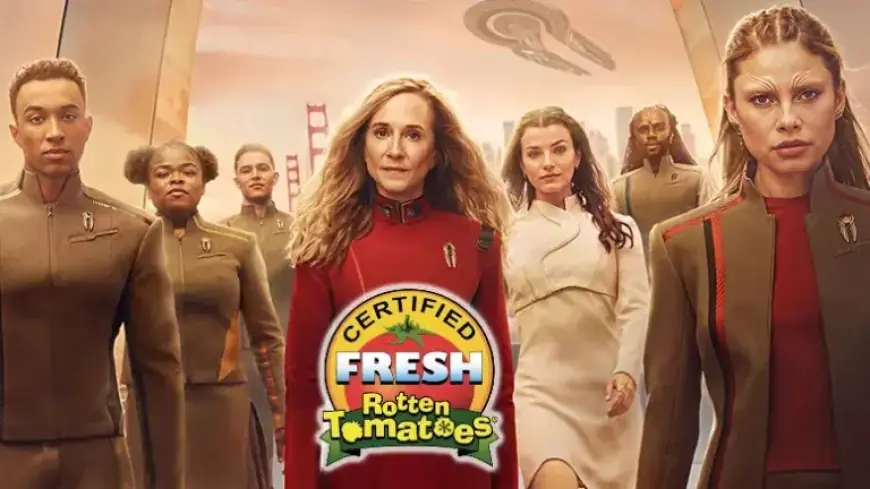
Starfleet Academy debuted to positive reviews across various platforms. It currently holds an impressive 87% rating on Rotten Tomatoes, making it the second highest-rated debut season for live-action Star Trek since Strange New Worlds. This rating positions it ahead of both Picard and Discovery.
Many critics praised the show’s revival of the franchise while noting its contemporary take. For instance, the Wall Street Journal and Los Angeles Times commended its fresh approach. Some reviewers, like NPR’s Eric Deggans, offered cautious optimism, referring to the characters and storylines as promising but still in development.
Viewer Engagement and Streaming Performance
- Launched on January 15, 2026.
- Achieved a debut ranking of #3 on Paramount+ in the USA.
- Hit the top 10 in several countries, including first place in Italy.
- The pilot episode garnered about 140,000 views on YouTube within three days.
Though it’s too early to measure the show’s long-term performance, industry watchers, including FlixPatrol, are closely monitoring engagement metrics. The Nielsen ratings will offer further insights in the coming weeks.
Political Controversy and Public Response
Despite its positive reviews, Starfleet Academy has not been without controversy. The series has faced criticism from certain political commentators who labeled it as “woke” due to its focus on diversity, equity, and inclusion within the cast. The negative commentary intensified after public figures shared disparaging remarks about cast members’ appearances.
Prominent personalities, including Elon Musk, contributed to the backlash by criticizing the portrayal of characters and suggesting a return to traditional elements of the franchise. These negative sentiments were echoed in segments hosted by conservative media outlets.
Support from the Cast
In response to the backlash, some cast members, like Gina Yashere, spoke out against the criticism, asserting that diversity is an intrinsic part of Star Trek’s legacy. Yashere highlighted the franchise’s history of embracing diverse narratives, while actor Roberto Picardo addressed the usage of the term “woke,” arguing that it has been co-opted for negative purposes.
The series faces both challenges and opportunities as it seeks to balance fan expectations with a contemporary narrative that reflects today’s society. As the season progresses, it is anticipated that the show’s reception may evolve, influenced by how well it manages its ambitious storytelling goals.
Conclusion: Starfleet Academy and Its Future
Star Trek: Starfleet Academy promises a fresh perspective on the beloved franchise. With a strong cast and an emphasis on modern issues, it seeks to engage both veteran fans and new audiences. The series has potential, as discussions around it highlight diverse perspectives on representation and narrative direction in contemporary television. As it unfolds, fans will be watching closely to see how it addresses both its storytelling challenges and the feedback from both critics and viewers.