
























Honoring Muhammad Ali: The Champion Who Transformed Culture Through Sacrifice

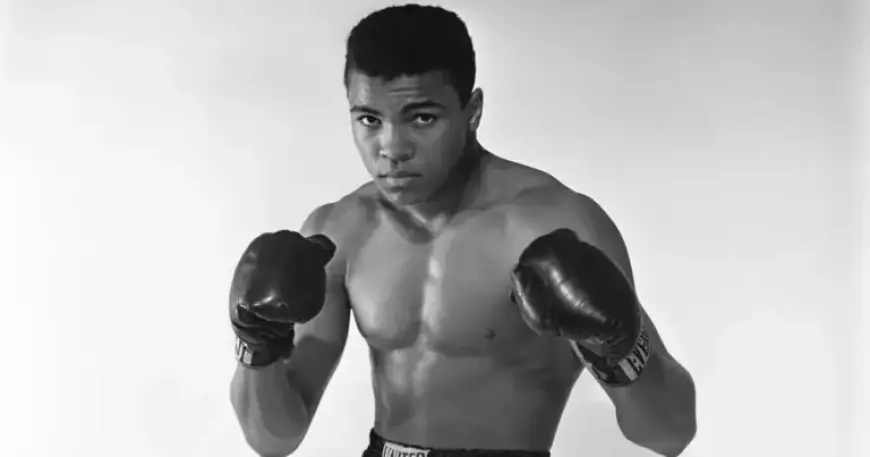
Muhammad Ali, a transformative figure in sports and culture, would have celebrated his 84th birthday on January 17. Renowned for his exceptional skills in boxing, he was a three-time world heavyweight champion. However, Ali’s influence extended far beyond the ring, as he became a global symbol of liberation through his sacrifices.
Early Life and Rise to Prominence
Born Cassius Clay on January 17, 1942, in Louisville, Kentucky, Ali rose to national acclaim after winning a gold medal at the 1960 Olympics. His professional career soared in 1964 when he achieved an upset victory over Sonny Liston, claiming the heavyweight title.
A New Identity
Shortly after winning the championship, Ali underwent a significant personal transformation. He joined the Nation of Islam, adopting the name Muhammad Ali. He rejected his previous name, which he described as a “slave name,” emphasizing his commitment to his principles and identity.
Refusal to Fight
In 1967, Ali faced a pivotal moment that would shape his legacy. He refused induction into the U.S. Army, citing his religious beliefs. His statement, “I have no quarrel with the Viet Cong,” challenged the American establishment and spotlighted the hypocrisy of sending Black servicemen to fight for liberties they did not enjoy at home.
Consequences and Advocacy
- Ali received a three-year ban from boxing during his prime, ages 25 to 28.
- His stance made him a significant voice in the anti-war movement and civil rights advocacy.
- He toured universities and engaged with the public, promoting his views on justice and equality.
Eventually, Ali’s legal battle culminated in a landmark decision by the U.S. Supreme Court, which overturned his conviction in 1971. This ruling allowed him to return to boxing, leading to iconic matches like the “Rumble in the Jungle” against George Foreman and the “Thrilla in Manila” against Joe Frazier.
Later Years and Legacy
In 1984, Ali faced a different adversary: Parkinson’s disease. Despite diminished physical capabilities, his resolve as a humanitarian flourished. He utilized his platform to promote peace and understanding of Islam globally.
Muhammad Ali passed away on June 3, 2016, at the age of 74. His legacy endures as a testament to his courage, not only in the boxing ring but also in his relentless fight for human dignity and rights. He is remembered for his remarkable ability to inspire change and challenge societal norms, truly embodying a champion who transformed culture through sacrifice.