Roger Allers Dies at 76: The “Lion King” Co-Director Behind an Animation Era That Defined a Generation

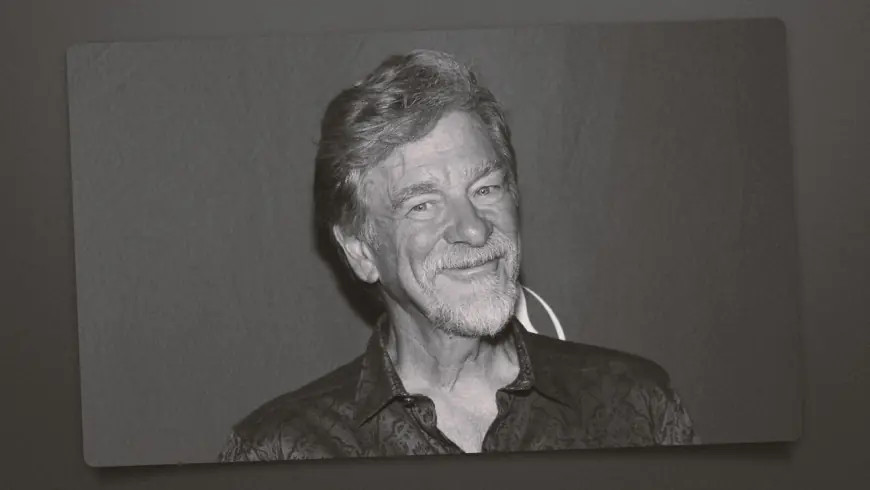
Roger Allers, the animator, director, writer, and story artist best known as a co-director of “The Lion King,” has died at the age of 76. Allers’ death occurred on January 17, 2026, prompting an outpouring of tributes across the animation community and renewed attention on the body of work that helped shape the modern identity of feature animation.
For many fans, the name Roger Allers is inseparable from the emotional highs of Pride Rock, the film’s unforgettable musical storytelling, and the confident visual language that came to define a golden period for animated filmmaking. For colleagues, he was also remembered as a collaborative force: a story-driven filmmaker who could guide teams through creative resets and still keep the focus on character, clarity, and heart.
Roger Allers and “The Lion King”: the creative reset that became history
The legacy of Roger Allers is most widely tied to “The Lion King” (1994), a film that went from early concept uncertainty to a sharply defined coming-of-age epic. The project’s evolution has long been regarded as an example of how animation is built: not in a straight line, but through story rewrites, visual discovery, and hard decisions made under deadline pressure.
Allers’ role in shaping the film’s narrative direction, tone, and story structure became a cornerstone of his reputation. The end result didn’t just become a box office phenomenon; it became a cultural touchstone, spawning sequels, spin-offs, and a stage legacy that continues to draw audiences decades later.
From storyboard to leadership: how Roger Allers rose through the ranks
Before his most famous credit, Roger Allers built his career in the trenches of animation: storyboarding, story development, and visual problem-solving—the often invisible work that determines whether a scene lands emotionally.
Over the years, his contributions touched a broad slate of animation’s most influential titles, including story and leadership work associated with films from the late 1980s through the 1990s. Those projects helped define the era’s filmmaking grammar: musical storytelling, expressive character acting, and scene construction designed to feel cinematic rather than episodic.
This background is key to understanding why Roger Allers was repeatedly entrusted with story responsibility. Story artists don’t simply “draw scenes.” They build pacing, clarify motivation, and find solutions when the script and visuals don’t quite line up. Allers became known for thriving in that exact space.
The Broadway bridge: extending the “Lion King” story beyond the screen
Roger Allers’ impact didn’t stop with the movie. He went on to help shape the stage identity of “The Lion King” by co-writing the book for the Broadway adaptation, earning major recognition for translating an animated feature into a live theatrical experience.
That achievement mattered because it helped establish a long-running model for animation-to-stage adaptation: keep the emotional spine, reinvent the physical language, and treat theatrical storytelling as its own craft rather than a replica of the film. The stage version’s endurance has made it one of the defining entertainment successes of its era.
Later work: “Open Season,” passion projects, and a filmmaker’s curiosity
Beyond Disney-era credits, Roger Allers also directed “Open Season” (2006), a mainstream animated feature that showed his ability to work within a different studio ecosystem and comedic tone. He also remained associated with projects that leaned more lyrical and personal, including animation work that emphasized mood, music, and visual poetry.
Across these later chapters, Allers’ career reflected a consistent set of instincts: clear character goals, readable staging, and emotional beats that land without overexplaining. Even when the style shifted, the storytelling philosophy stayed familiar.
Industry reaction and what happens next
In the hours after news of Roger Allers’ death spread, tributes highlighted both the scale of his work and the tone of his leadership. Public remembrances emphasized his generosity, mentorship, and the way he made story discussions feel constructive rather than competitive.
In the near term, fans can expect renewed interest in the films most associated with Roger Allers, alongside retrospectives that revisit how those projects were built. Within the industry, his passing is likely to intensify ongoing conversations about preserving animation history—especially the story process, the people behind it, and the collaborative craftsmanship that rarely receives the spotlight it deserves.
Roger Allers leaves behind a legacy measured not only in iconic titles, but in a storytelling approach that shaped what audiences now expect from animated cinema: big emotion, clean character arcs, and images designed to stay with you long after the credits.