Elena Rybakina’s Indian Wells presence changes Day 4 dynamics — Baptiste’s volleying vs a big-serve baseline game

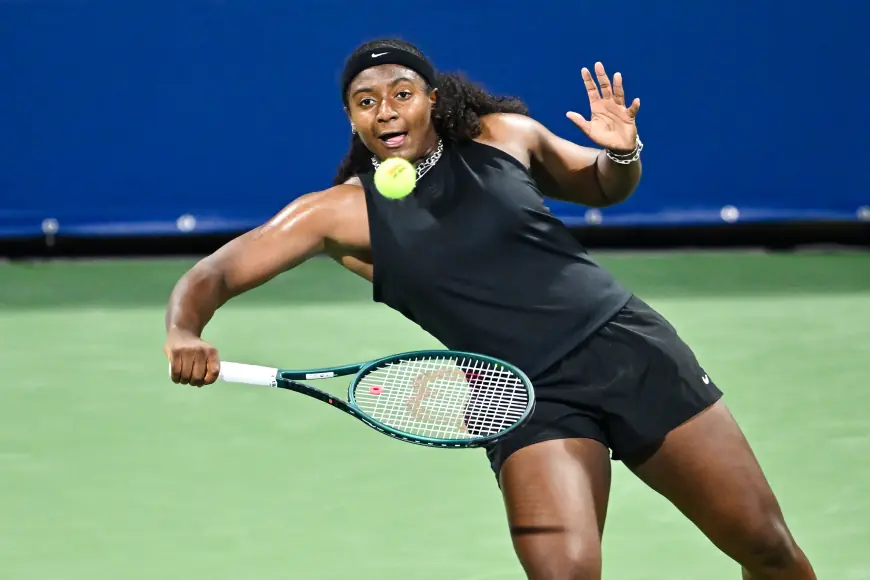
What shifts because of this pairing is less about a single result and more about the texture of the draw: elena rybakina’s status as this year’s Australian Open champion forces opponents to rethink tactics on slow courts, while Hailey Baptiste’s recent triumph and deft net play introduce a different threat. Here’s why Day 4 looks less predictable than seedings suggest and which paths through the section could open or tighten depending on the outcome.
How Elena Rybakina’s style alters match dynamics and draw consequences
Elena Rybakina’s game — marked by a huge serve and an ability to thrive when she has time on her groundstrokes — changes how opponents approach returns and baseline exchanges. That combination makes slow hard-court conditions especially consequential: slower courts give returners more time to engage, but they also lengthen rallies where Rybakina can use that time on her shots to take control. The consequence is tactical: players cannot rely solely on pace or on neutralizing the first strike; they have to shape points in longer patterns.
Here’s the part that matters for the wider draw: a win for Rybakina preserves the expected top-end momentum and keeps higher seeds on track; a win for Baptiste, who arrives with recent match-winning form and sharp volleying, would inject an upset-style momentum into the section and create new matchups for later rounds. The real question now is which factor—Rybakina’s power in rallies or Baptiste’s net aggression—proves decisive under sluggish conditions.
Match picture: Baptiste’s form, court conditions, and the tactical edges
Key facts from the build-up shape the likely contours of the match without pretending to predict a scoreline. Baptiste earned momentum with a win characterized by deft volleys, showing confidence finishing points at the net. That recent triumph matters because it establishes form and match sharpness on site. Meanwhile, elena rybakina’s big-serving baseline game typically benefits when she finds time on her groundstrokes; slower courts give her that time but also give returners chances to get more returns back into play.
Practical tactical notes for the match:
- Baptiste’s volleying and net approaches create short-point opportunities that can bypass prolonged baseline battles.
- Rybakina’s serve remains a primary weapon; on paper, neutralizing that serve is the clearest path for Baptiste to swing momentum.
- Slower court conditions tilt the exchange: returners gain slightly more reaction time, but extended rallies can still favor the player who imposes cleaner patterns — a subtle test of consistency.
It’s easy to overlook, but the surface isn’t a binary advantage: it amplifies certain tools and blunts others, so small tactical shifts—slice returns, aggressive approaches on second serves, or targeted first-serve placement—could decide tight games.
- Baptiste enters the match on recent winning form highlighted by strong volleying and net finishing.
- Elena Rybakina carries the weight of a Grand Slam title this season and a serve that shapes return strategies.
- Slow conditions at the venue increase the value of return consistency and court craft while offering returners more time to handle big serves.
- The winner will not only move forward but also alter which players they would likely face in later rounds, affecting the tactical complexion of that draw section.
Micro timeline (contextual): Baptiste’s recent win showcased net play; Day 4 features Rybakina among other notable names stepping onto court. A referenced 2023 runner-up note frames expectations for another seeded player in the broader schedule, but specific dates and later-round pairings remain subject to the ongoing results.
For readers tracking momentum: if you’re wondering why this keeps coming up, it’s because match rhythm and surface interaction often matter more than seed numbers in early rounds. Pay attention to who is finishing points at the net and who consistently wins extended rallies—those trends usually translate into deeper runs.
The immediate implication is straightforward: whichever player handles the surface dynamics better will not only take a match but also reshape tactical plans for opponents later in the week. Recent updates indicate this matchup blends classical power baseline tennis with opportunistic net play; details may evolve as the day’s matches complete.