Rocket Launch Today: What’s Scheduled for Monday, Jan. 19, 2026, and the Exact Times to Watch

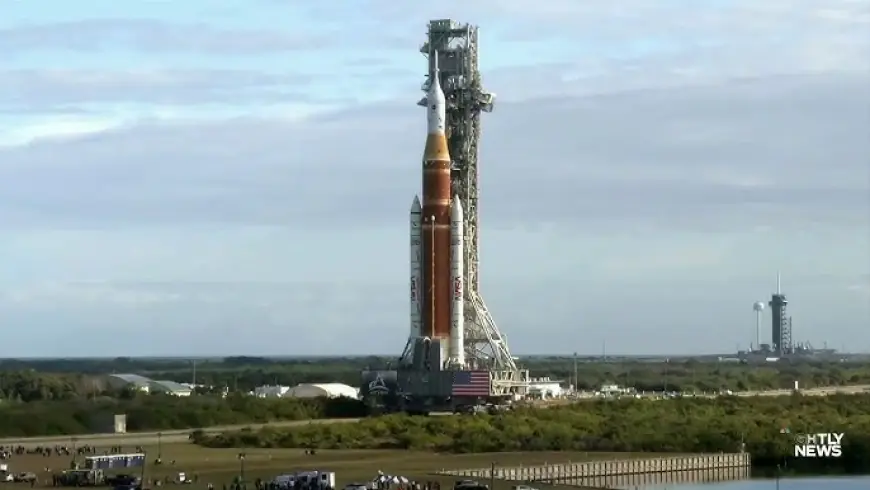
If you’re searching “rocket launch today” on Monday, January 19, 2026, you’re not alone. Launch windows often cross midnight, and a mission listed as “Sunday evening” in the United States can appear as “Monday morning” in Europe, the Middle East, and North Africa.
As of today, the global launch calendar highlights two headline launches that fall on Jan. 19 in at least one major time zone: a late-window Falcon 9 Starlink mission tied to Cape Canaveral timing and a Long March 12 mission scheduled for the morning in UTC.
Rocket launch today: the two biggest launches on the Jan. 19 calendar
1) Falcon 9 Starlink mission (Florida): late Sunday in the U.S., early Monday in UTC/Cairo
This Starlink deployment has been working inside a late-day launch window that places it on Jan. 18 in U.S. time but Jan. 19 in UTC and Cairo. That’s why many “rocket launch today” searches are coming from viewers who woke up on Monday and saw the countdown still active (or the mission just completed) in their local time.
Key times (planned/targeted window):
-
U.S. Eastern (ET): Sunday evening (late Jan. 18)
-
UTC/GMT: late night into early Jan. 19
-
Cairo: early Jan. 19 (after midnight)
Because these are tight windows, the most important detail is not the label “today” but the local conversion where you live.
2) Long March 12 mission (China): morning UTC on Jan. 19
A separate mission on today’s calendar is a Long March 12 launch scheduled for 07:00 UTC on Jan. 19 from China. That translates cleanly into daytime for much of Europe and the Middle East, making it the most straightforward “rocket launch today” entry for watchers outside North America.
Time conversions:
-
UTC/GMT: 07:00 (Mon, Jan. 19)
-
U.S. Eastern (ET): 2:00 a.m. (Mon, Jan. 19)
-
Cairo: 9:00 a.m. (Mon, Jan. 19)
Why “rocket launch today” can be misleading in your time zone
Rocket schedules are global, but launch operations are local. Three things regularly cause confusion:
-
Midnight crossings: A Florida night launch can be “yesterday” in the U.S. and “today” in Cairo.
-
Shifting windows: Weather, range traffic, and last-minute technical checks can move liftoff within a multi-hour window.
-
NET timing: Many calendars list “NET” (no earlier than), which is not a guarantee. It’s a placeholder until teams confirm readiness.
If you’re in Cairo, any U.S. evening launch is especially likely to land after midnight, meaning it will appear under “today” even if U.S. coverage frames it as a Sunday event.
What to watch for during today’s rocket launch windows
Even if you’re not tracking every technical detail, these are the moments that decide whether a “rocket launch today” actually lifts off on time:
-
Weather rule checks in the final hour (winds, cloud layers, lightning risk)
-
Hold points built into the countdown (brief planned pauses)
-
Range readiness (clear airspace and sea lanes)
-
Final prop loading and engine chill (often where slips happen)
If you see a countdown stop and resume, that’s normal. If you see the window shift to a later time, that’s also normal. Most scrubs are caution, not crisis.
Today’s quick reference: rocket launch times (Jan. 19, 2026)
-
Long March 12: 07:00 UTC | 2:00 a.m. ET | 9:00 a.m. Cairo
-
Falcon 9 Starlink (Florida window tied to late Jan. 18 ET): late-night UTC/early Jan. 19 Cairo timing depending on the exact liftoff minute
What’s next after today’s launches
January launch tempo tends to build quickly once the cadence starts: communications constellations, national security payloads, and test flights all compete for range time. That means “rocket launch today” search traffic often stays elevated for days, not hours, as the next missions stack up behind the ones launching now.
If you tell me your city (or just say “Cairo”), I’ll convert every listed launch time for today into your exact local clock time and flag which ones are most likely to shift.