Flash Flooding in Sydney: Northern Beaches Evacuations, Rescues, and What Happens Next as Rain Eases

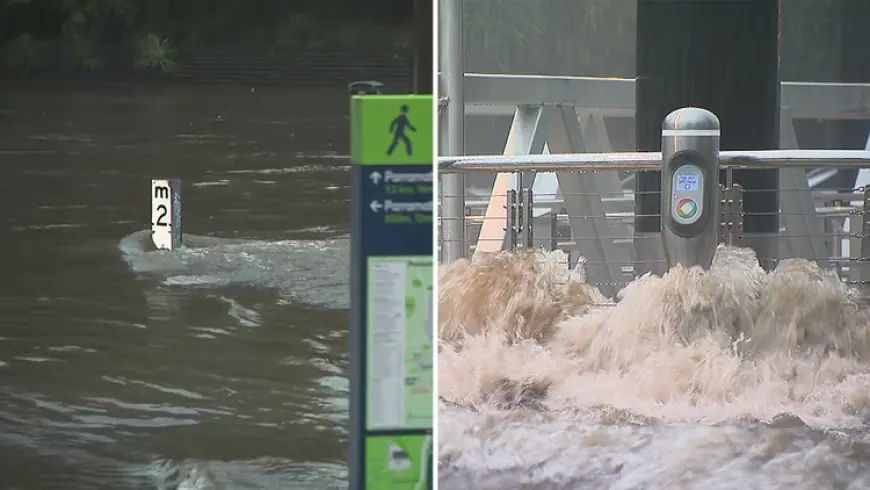
Flash flooding across Sydney has forced late-night evacuations, dozens of flood rescues, and widespread disruption after intense downpours hit the city and surrounding districts. While conditions have begun easing in some areas and at least one major warning has been downgraded, emergency crews are still urging residents to stay alert because saturated ground, fast-rising creeks, and debris-choked drains can keep the flash-flood risk high even after the heaviest rain moves on.
The sharpest impacts were felt on Sydney’s Northern Beaches, where rapidly rising water around Narrabeen Lagoon triggered emergency action overnight. Elsewhere, motorists were caught out on flooded roads, and crews across New South Wales handled a surge of calls for help as storm cells repeatedly trained over the same catchments.
Sydney flash flooding hotspots: Narrabeen Lagoon and flooded-road rescues
On the Northern Beaches, an emergency warning was issued late on January 18 after water levels rose quickly, affecting nearby properties and prompting evacuations in the lagoon area. A temporary evacuation centre was opened to support displaced residents, while crews carried out multiple flood rescues involving people and vehicles trapped on inundated streets.
Across NSW, the same burst of severe weather generated a high volume of incidents for emergency services, with callouts spanning fallen trees, damaged roofs, water entering homes, and hazardous road conditions. In Sydney, the most common danger points were low-lying roads, underpasses, and streets near creeks where runoff can surge within minutes.
What caused the flash flooding in Sydney
Sydney flash flooding is typically driven by short, intense rainfall that overwhelms drainage systems and rapidly funnels into creeks and lagoons. This event followed a familiar pattern:
-
Torrential bursts over urban areas where concrete and compacted ground prevent water from soaking in
-
Back-to-back storm cells that keep catchments “topped up” and reduce the margin for safety
-
Blocked drains and debris that turn shallow pooling into fast-flowing street floods
-
Lagoon and creek pinch points where water levels can climb quickly and spread into nearby streets
Even when rainfall totals don’t look extreme across the whole city, a single suburb can receive a concentrated deluge that triggers life-threatening conditions.
The human and infrastructure toll: power, transport, and dangerous driving conditions
Flash flooding doesn’t just inundate homes. It can paralyse a city in under an hour. Across Sydney, drivers faced sudden road closures and stalled traffic as water swept across key routes. Emergency crews repeatedly warned that the most serious rescues involved motorists entering water that appeared shallow but hid strong currents, road damage, or open drains.
Beyond roads, severe storms can bring:
-
Power interruptions from wind damage and fallen branches
-
Public transport delays due to signal faults and waterlogged tracks
-
Property damage from water intrusion, roof damage, and fallen trees
-
Coastal hazards as heavy rain combines with rough surf and debris-laden runoff
Authorities also confirmed a storm-related fatality south of Sydney during the broader wild-weather period, underscoring how quickly conditions can turn dangerous on tree-lined roads and steep terrain.
What to do right now if flash flooding returns in Sydney
If you’re in Sydney and storms redevelop, the safest choices are often the simplest:
-
Do not drive through floodwater. Turn around early; detours are safer than rescues.
-
Avoid creeks, lagoons, storm drains, and underpasses during heavy rain and for hours afterward.
-
Move valuables up, and keep an exit route. Flash flooding can cut streets fast.
-
If water rises inside your home, go higher immediately (upper floor) and call for help if trapped.
-
Check on neighbours who may need assistance, especially older residents or those with limited mobility.
-
Document damage safely for insurance, but don’t enter flooded rooms until power safety is confirmed.
What happens next: why “easing” doesn’t mean “over”
The immediate threat can drop quickly once the heaviest rain shifts away, but the aftermath is often when injuries and losses occur. Sydney residents should expect lingering hazards over the next day or two:
-
Delayed surges in creeks and lagoons as water drains from higher ground
-
Hidden road damage including sinkholes, lifted manhole covers, and eroded shoulders
-
Contaminated floodwater carrying sewage, chemicals, and sharp debris
-
More falling branches as saturated soil loosens roots and winds return
If you live near Narrabeen Lagoon or any creekline, treat renewed heavy rain as a trigger to act early. Flash flooding is not a slow-rising event; it is a rapid escalation event. The difference between inconvenience and emergency is often just minutes.