Shark Attack Sydney: Boy in Intensive Care After Harbour Bite at Vaucluse’s Shark Beach

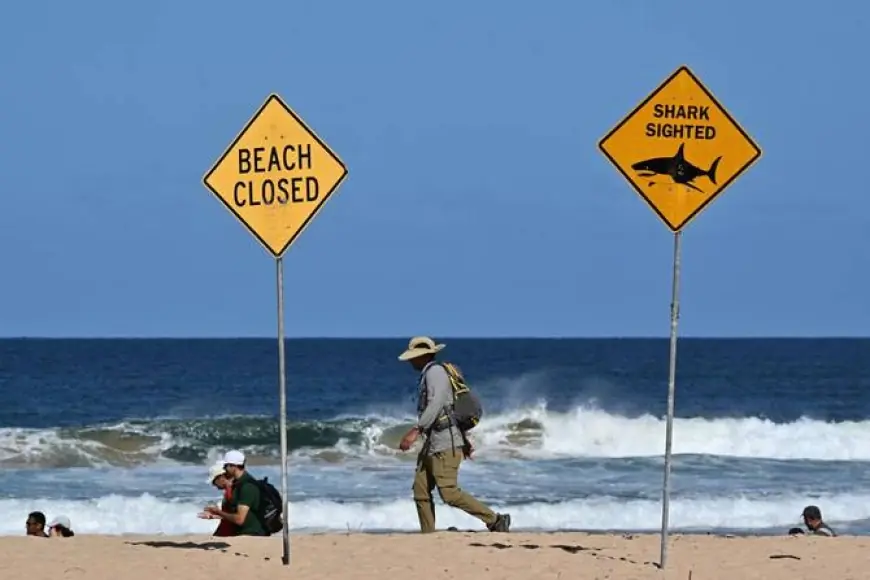
A shark attack in Sydney Harbour has left a young boy in critical condition, triggering beach closures and renewed scrutiny of safety measures at one of the city’s most popular family swimming spots. The incident unfolded on Sunday afternoon, January 18, 2026, near Shark Beach at Nielsen Park in Vaucluse, where swimmers were enjoying warm summer conditions before emergency crews rushed in.
Authorities say the boy suffered severe injuries to his legs consistent with a bite from a large shark. He was pulled from the water within minutes and received life-saving first aid before being transported to hospital, where he remains in intensive care.
What happened in the Sydney shark attack
Emergency services were called to the Hermitage Foreshore area near Shark Beach at about 4:20pm local time on Sunday. The boy, described as 12 or 13 years old in early briefings, was in the water with other children when the attack occurred.
In the chaotic moments after the bite, people nearby rushed to help. Police and paramedics say the rapid response at the shoreline was crucial: the boy was brought out of the water quickly, and responders applied tourniquets and other first aid to stem blood loss.
He was moved by boat to a nearby wharf area for further treatment and then taken to Sydney Children’s Hospital at Randwick. By Monday, January 19, he was still listed in intensive care as doctors worked to stabilise him and treat the traumatic injuries.
Where it happened: Nielsen Park, Shark Beach, Vaucluse
Shark Beach sits inside Sydney Harbour, not on the open ocean, which is part of why the incident has rattled many locals. Nielsen Park is a well-known, sheltered swimming area with calm water and a reputation as a safer option for families.
The beach has a netted enclosure designed to reduce the risk of marine life entering the main swimming zone. Early information indicates the boy may have been swimming outside the netted area when he was bitten, though details may evolve as investigators confirm positions and movements in the water.
Following the attack, access to the immediate area was restricted and the beach was closed as authorities assessed the risk and monitored for further shark activity.
Which shark was it? What experts suspect, and what is confirmed
At this stage, officials have not publicly confirmed the species involved. What has been confirmed is the severity and nature of the injuries, which were described as consistent with an encounter involving a large shark.
Marine specialists familiar with Sydney Harbour conditions say bull sharks are a plausible suspect in summer, when warmer water and changing baitfish patterns can draw them into the harbour system. However, this remains an expert assessment rather than a definitive identification, and authorities are expected to focus on verification before making any final call.
Because information in the first 24 hours can be incomplete, it’s possible some details—such as the exact location relative to the net, the sequence of events, and the species—will be refined as official updates continue.
Why a shark attack inside Sydney Harbour feels different
Shark bites in Sydney Harbour are considered rare compared with incidents on exposed surf beaches along the New South Wales coastline. Harbour swimming areas tend to be more sheltered, and many people associate nets and calm water with lower risk.
But “rare” does not mean “impossible.” Sharks can move through harbour entrances and travel along channels, and environmental factors can shift conditions quickly:
-
Warmer water can increase shark activity and change prey movement.
-
Recent rain or runoff can influence fish behaviour and visibility in the water.
-
Baitfish schools can attract larger predators closer to shore than expected.
-
Swimming outside netted areas can increase exposure, even at familiar beaches.
The attack is also likely to reignite debate about how nets are maintained and monitored—especially after periods of heavy swell or storm damage.
What happens next: closures, monitoring, and safety guidance
In the days after a shark attack, authorities typically focus on three priorities: public safety, incident verification, and risk reduction. That often includes temporary closures, patrols or surveillance, and coordination with fisheries and marine teams to understand local conditions.
For swimmers around Sydney Harbour and nearby coastal beaches, practical risk-reduction steps are being reiterated:
-
Swim between flags and inside designated enclosures where available.
-
Avoid swimming at dawn, dusk, or night, when visibility is lower.
-
Stay out of the water near schools of baitfish or if seabirds are actively feeding.
-
Avoid murky water and avoid swimming near river mouths after heavy rain.
-
Swim in groups and keep children close, even in calm harbour coves.
For now, the central focus remains on the boy’s condition and recovery, as well as ensuring the public understands that the situation is still developing and official findings may change as more facts are confirmed.