Liberal Party Delays Election Autopsy Following Dutton’s Defamation Claim

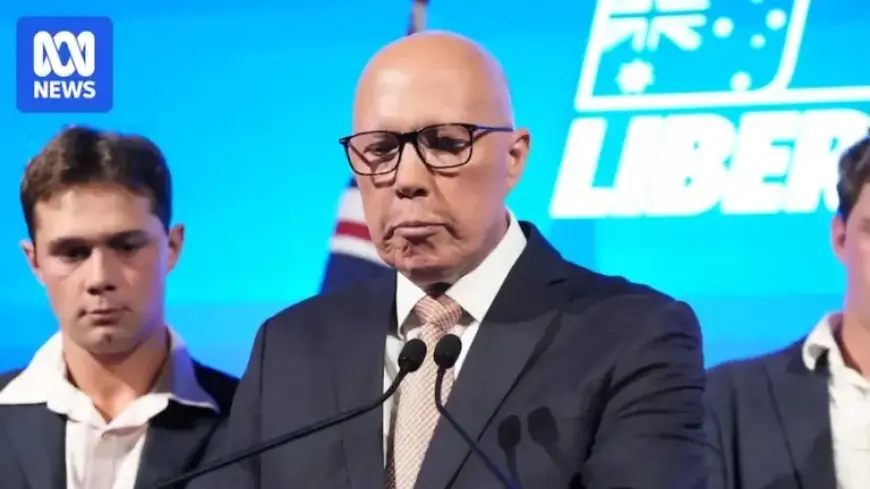
The Liberal Party’s internal review of its 2025 election campaign has been postponed due to defamation concerns raised by former opposition leader Peter Dutton. He alleges that certain claims in the report are damaging to him and his team, creating potential legal risks for the party.
Background of the Situation
Typically, key figures, including Mr. Dutton, are provided copies of such reports prior to their public release. However, Dutton contends that the report, in its current state, should not be made public without revisions due to its defamatory content.
Consequences of Dutton’s Claims
- The Liberal Party’s secretariat has paused the report’s release.
- Dutton has hinted at possible legal action if his concerns are not addressed.
- Party members voiced their dissatisfaction regarding the process and communication surrounding the report.
A senior source informed Filmogaz.com that the federal executive opted to delay the report until Dutton’s issues could be adequately managed. Some members were frustrated that Dutton had not been given the opportunity to respond to key claims regarding his conduct.
Report’s Authors and Their Stance
Pru Goward and Nick Minchin, the report’s authors, maintain that they followed a consistent process with all interviewees. They did not see the need to revisit certain sections of the report with Dutton.
Concerns were raised by some within the party that Dutton’s former chief of staff, Alex Dalgleish, was unfairly depicted in the report. This highlights the broader issues being faced by the party post-election.
Legal Review and Political Implications
The report has been forwarded to a legal team for review to ensure compliance and minimize any potential legal ramifications. A source suggested that the review process should have been completed before Dutton received the document.
Political Fallout and Election Results
The 2025 federal election results were catastrophic for the Liberal Party, which now holds less than a quarter of the total 226 seats in both the House of Representatives and Senate. The party faced significant losses, particularly in urban areas, and failed to secure outer suburban seats, which were critical to Dutton’s strategy.
Dutton’s concerns about the report and the prospect of legal action indicate deeper rifts within the party. Such internal strife is particularly notable as both major political parties routinely conduct post-election reviews to inform future strategies.
The situation remains fluid as the Liberal Party navigates the implications of Dutton’s defamation claims and the overall political landscape following the election.
Conclusion
As the Liberal Party grapples with the fallout from its poor electoral performance and internal divisions, the resolution of Peter Dutton’s defamation claims will be crucial in determining its future trajectory. The party’s ability to manage these challenges and conduct a thorough internal review will be key to its recovery.