

























Nepalese Vote in Landmark Election Following Gen Z Activism

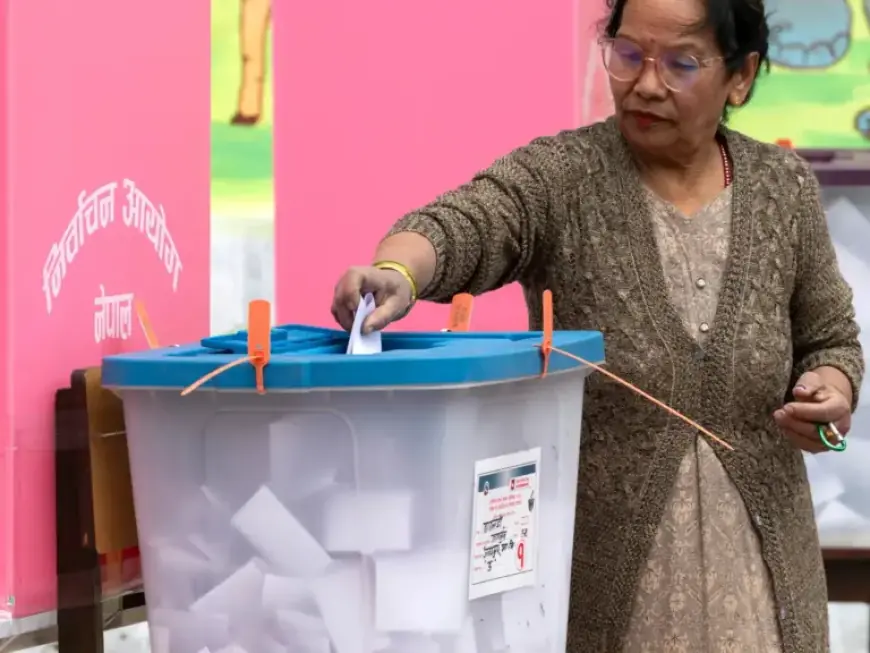
The recent elections in Nepal mark a significant turning point in the nation’s political landscape. Following a period of intense activism led by Generation Z, citizens cast their votes for a new parliament. This election was sparked by widespread protests that demanded accountability and reforms, resulting in the resignation of former Prime Minister Khadga Prasad Sharma Oli.
Nepalese Vote in Landmark Election Following Gen Z Activism
Voting took place on March 5, 2026, with initial trends expected to be revealed shortly thereafter. While complete results may take up to a week to finalize, early indications point to a voter turnout of approximately 60%. This figure is slightly below the 61% recorded in the previous election.
Election Highlights
- 165 members of the House of Representatives were directly elected.
- The remaining 110 seats will be filled through a proportional representation system.
- Election Commission officials noted that the voting process was generally peaceful.
Acting Chief Election Commissioner Ram Prasad Bhandari confirmed that, apart from minor disruptions, the election was conducted smoothly. Observers from both national and international bodies reported no significant issues.
Significance of the Protests
The backdrop of these elections includes the tragic events of last year, where at least 77 lives were lost during protests predominantly led by youth. These demonstrations reflected a strong desire for change among Nepalis, particularly among younger voters.
First-time voter Luniva expressed her motivation to participate, stating, “I want to see my country become better by all the sacrifices that have been made.” This sentiment echoes the aspirations of many who hope to see meaningful reforms in governance and job creation.
Main Political Parties and Candidates
Three major political entities are vying for power in this election. The Rastriya Swatantra Party (RSP) is emerging as a frontrunner, presenting a formidable challenge to the long-established Nepali Congress and Communist Party of Nepal (Unified Marxist-Leninist).
Notably, the RSP features Balendra Shah, a rapper-turned-politician and former mayor of Kathmandu, as its prime ministerial candidate. Shah has garnered significant support from the younger demographic, resonating with their call for change.
In contrast, former Prime Minister Oli is also in contention, along with over 3,400 candidates from 65 different political parties. This diverse slate of candidates reflects the dynamic political environment in Nepal.
Looking Ahead
The outcome of this election is critical for addressing youth concerns raised during the protests. Political analyst Puranjan Acharya warns that if the new leaders fail to meet these expectations, there may be further unrest.
The election not only represents a choice for the future of governance but also marks a pivotal moment in a nation increasingly shaped by the voices of its younger generations. As the world watches, the outcome will determine the trajectory of Nepal’s political and social landscape for years to come.