Supreme Court to Review Roundup Maker’s Appeal to Halt Lawsuits

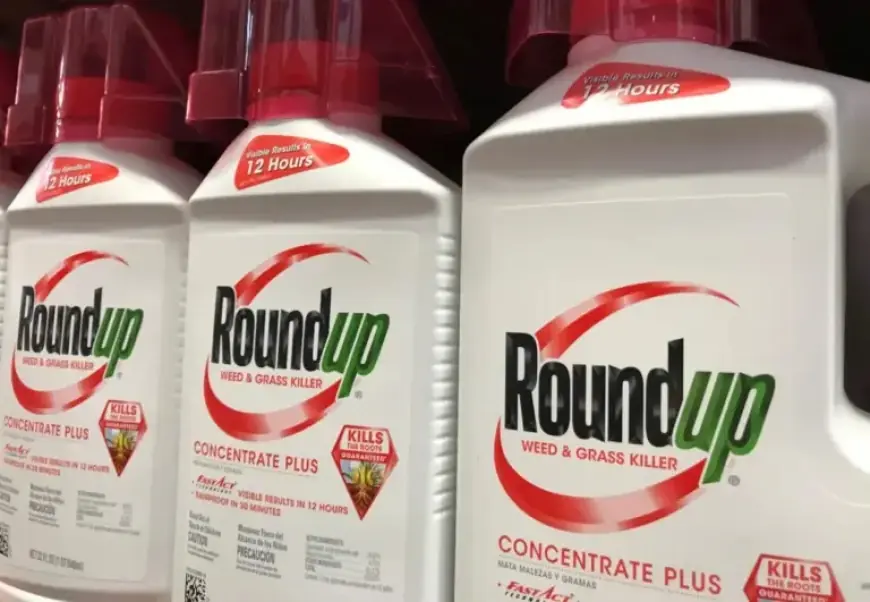
The Supreme Court has agreed to hear Bayer’s appeal to halt numerous state lawsuits concerning its Roundup weedkiller. These lawsuits allege that Bayer failed to warn consumers about potential cancer risks associated with the product. The case will examine whether approval from the Environmental Protection Agency (EPA), which did not include a cancer warning, is sufficient to dismiss these claims.
Bayer’s Legal Battle
Bayer, a major agrochemical manufacturer, is facing around 181,000 claims linked to Roundup. These lawsuits primarily come from residential users. In response to these legal challenges, Bayer has allocated $16 billion to settle various cases and has stopped using glyphosate in the Roundup products sold to the U.S. residential market. However, glyphosate remains in agricultural formulations.
Key Events and Stakeholders
- Trump Administration Support: The Trump administration has supported Bayer’s position, conflicting with the stance of the current Biden administration.
- Notable Cases: A Missouri jury recently awarded $1.25 million to an individual diagnosed with non-Hodgkin’s lymphoma after using Roundup.
- Previous Rulings: In 2022, the Supreme Court declined to hear a similar case from California that resulted in over $86 million being awarded to a couple.
Controversy Over Cancer Risks
Studies link glyphosate, the main ingredient in Roundup, with potential cancer risks. The EPA, however, maintains that glyphosate is unlikely to be carcinogenic when used as directed. Bayer disputes these cancer claims and is advocating for legal immunity based on federal compliance.
Implications for the Agricultural Sector
Bayer has raised concerns about potentially withdrawing glyphosate from the U.S. agricultural market if lawsuits continue. Glyphosate is crucial for farmers as it enables them to sustain higher crop yields while practicing reduced tillage methods.
Environmental Group Response
Environmental organizations criticize Bayer’s actions, arguing the company seeks to avoid juries in cases where it has struggled in court. Lori Ann Burd, from the Center for Biological Diversity, expressed concerns about the implications for Roundup users suffering from cancer.
Future Proceedings
The Supreme Court’s hearing on this appeal may occur in the spring or during the upcoming fall term. As legal battles continue, the outcome could significantly impact both public health and the agricultural industry.