Porsche Reports Largest Decline in Sixteen Years

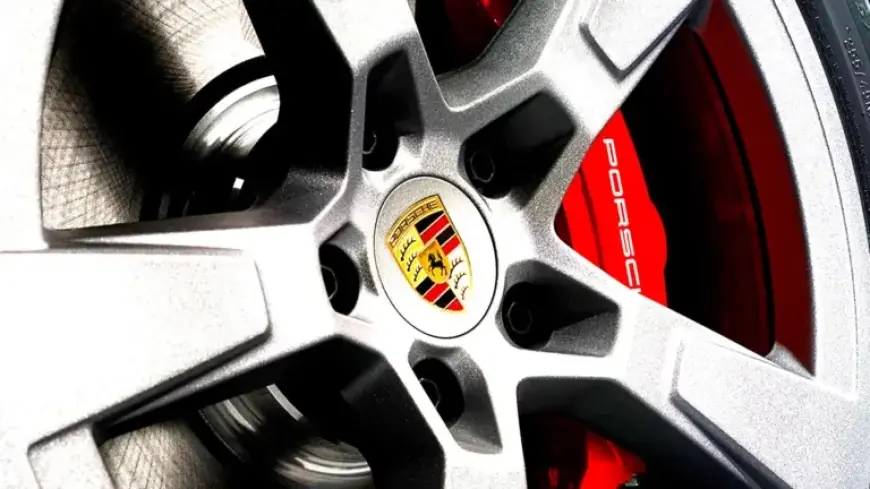
Porsche has experienced its most significant sales decline in 16 years, with a 10% drop in global deliveries in 2025. This downturn comes despite the introduction of fresh models. The company’s total sales fell to 279,449 vehicles, marking the steepest decline since 2009.
Porsche’s Global Sales Report for 2025
The automotive giant released its delivery figures, which reveal a troubling trend. All regions reported falling sales, except for North America, which remained stable.
Regional Sales Performance
- Europe: Sales dropped by 13%. The decline was partly attributed to the discontinuation of the combustion Macan and other models.
- Germany: Facing similar challenges, sales also fell.
- China: A major source of concern, sales in this market plummeted by 26%. This followed a 28% decline in the previous year, attributed to tough economic conditions and a slowdown in electric vehicle growth.
The Impact of Competitors and Market Trends
Porsche faces formidable competition from local Chinese brands that are rapidly advancing. Models like the Xiaomi SU7 Ultra offer impressive performance at lower prices, which is affecting sales of the Taycan.
The Struggles of the Taycan
The Taycan’s sales fell by 22% in 2025, following a staggering 49% drop in 2024. These numbers highlight the intense competition and changing market dynamics.
Successful Models Amidst the Gloom
Despite the overall decline, two models stood out with positive sales figures. The Macan, Porsche’s best-selling car, achieved 84,328 deliveries, bolstered by the introduction of the Macan Electric. Over half of the sales came from electric versions.
Additionally, the iconic 911 proved resilient, with sales increasing by 1% to reach 51,583 deliveries, setting a new record. This success illustrates the enduring appeal of the model even in challenging times.
Conclusion: Navigating a Shifting Automotive Landscape
Porsche acknowledged the challenges of 2025 but remains committed to a value-over-volume strategy. However, the results signify a stark reminder that even established brands face significant threats from evolving consumer preferences and fierce competition.