Wall Street Abandons Climate Change Efforts

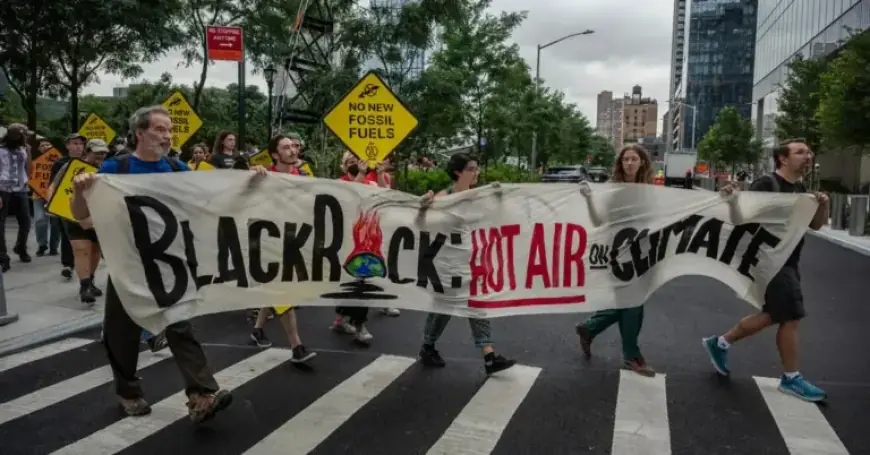
In recent years, Wall Street has experienced a notable shift regarding climate change commitments. The transformation began in January 2020 when Larry Fink, CEO of BlackRock, announced his intention to harness the firm’s trillions of dollars to combat global warming. This announcement marked a pivotal moment for environmental, social, and governance (E.S.G.) investing, sparking a widespread movement among major financial institutions to pledge reduced emissions and promote clean energy investments.
Initial Commitment to Climate Action
Fink’s speech at the World Economic Forum in Davos showcased the urgency of addressing climate change. His intentions led to numerous financial entities joining alliances like the Net-Zero Banking Alliance and the Net-Zero Asset Managers initiative, aimed at steering capital away from fossil fuels. However, over the following years, these commitments began to erode.
Withdrawal from Climate Promises
By 2026, many Wall Street firms began retracting their E.S.G. pledges. Data showed a significant decline, with investors withdrawing billions from E.S.G. funds quarterly. Notably, mentions of climate and sustainability in corporate earnings calls plummeted by 75 percent compared to the previous year.
- 2020: Larry Fink’s announcement at the World Economic Forum.
- 2021: JPMorgan and other banks pledged to deploy $5 trillion in sustainable finance by 2030.
- 2022: Republican-led backlash against E.S.G. practices began to gain traction.
- 2024: Major banks withdrew from climate alliances following President Trump’s re-election.
This decline in commitment coincided with a nationwide backlash led by conservative politicians and fossil fuel advocates. They opposed what they viewed as overly ambitious corporate environmental policies. Legal threats and lawsuits aimed at these financial institutions grew during this period, further contributing to their withdrawal from previously announced climate initiatives.
The Role of Major Financial Institutions
Initially, the E.S.G. movement gained momentum as institutions recognized the financial opportunities associated with sustainable investments. Demand from clients for environmentally focused funds prompted BlackRock to introduce new products, prompting widespread adoption among other financial firms. However, many executives harbored doubts about the feasibility and profitability of these strategies.
Fink’s ambitions culminated in a commitment to provide comprehensive reporting on climate impacts of BlackRock’s funds and a push towards sustainable financial products. Even as major banks committed to climate-related funding, pressures from conservative lawmakers prompted many to reconsider their pledges.
Impact of Political Pressures
As conservative opposition intensified, financial institutions faced legal and reputational risks. The Race to Zero initiative updated its guidelines, provoking alarm among Wall Street firms. Subsequently, Republican state treasurers began to divest assets from companies with E.S.G. affiliations, withdrawing over $1 billion from BlackRock alone.
Conclusion: The Retreat from Climate Engagement
After the re-election of President Trump, major banking institutions completely retreated from climate initiatives, including the Net-Zero Banking Alliance. Notably, Bank of America retracted its initial commitments to cease financing coal and Arctic drilling.
BlackRock’s current stance reflects a growing emphasis on “energy pragmatism” rather than climate activism. The evolution of Wall Street’s approach to climate change illustrates a broader trend where initial ambitions succumb to political and market forces.
The once-promising trajectory of Wall Street’s commitment to climate action now appears fragmented and uncertain, emphasizing the challenges of sustaining meaningful environmental initiatives in the face of changing political landscapes.