Rental Market Growth Stalls as Tenants Reach Payment Limits

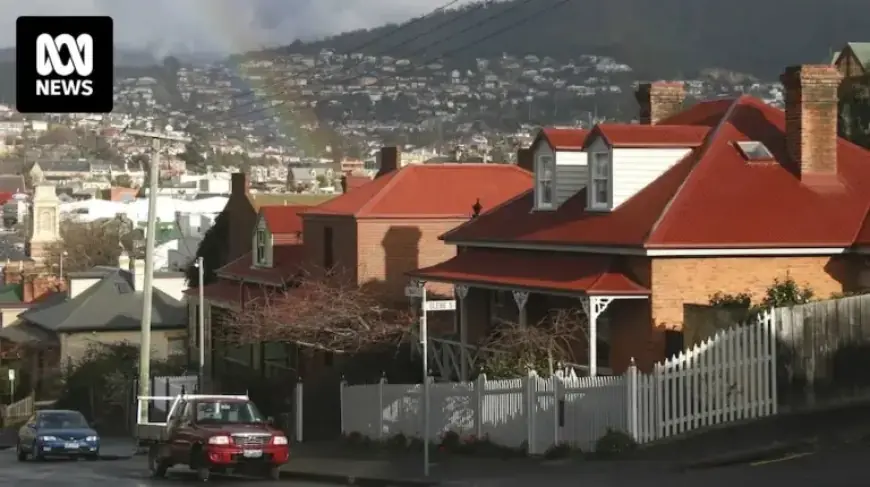
The Australian rental market is encountering significant challenges as tenants reach payment limits. Recent findings from Domain indicate that rental growth is stalling and prices are flattening in several capital cities.
Stagnant Rental Prices Across Major Cities
According to Domain’s December Quarter Rent Report, house rental asking prices have either declined or remained unchanged in Melbourne, Adelaide, Perth, and Darwin over the past three months. However, on a national scale, house rents rose by 2.3 percent, amounting to an increase of $15.
Regional Highlights
- Brisbane – 3.1% increase
- Hobart – 1.7% increase
- Canberra – 1.4% increase
Over the last year, Hobart experienced the highest annual rent hike at 7.1 percent, followed closely by Brisbane at 6.3 percent, and Perth at 4.5 percent. In contrast, Melbourne recorded a 1.7 percent decline in rents, making it a unique case among capital cities.
Tenant Budgets Strained
Tenants across Australia are feeling the strain of rising rental costs, with many unable to stretch their budgets any further. Domain’s Chief of Research and Economics, Nicola Powell, highlighted that an income exceeding $100,000 is often essential just to manage weekly expenses in the current rental landscape.
In Sydney, the median rental price for houses has surged to $800 per week, with units approaching $750. This exorbitant pricing has led many renters to seek more affordable options in the form of home units.
Shifting Trends in Rental Preferences
As housing costs climb, the demand for rental units is on the rise. Units have often outpaced houses in terms of rent increases in cities like Melbourne, Brisbane, Adelaide, and Canberra. The varying trends underscore the regional disparities within the rental market.
High Vacancy Rates Impacting Supply
The most constrained housing market is in Hobart, where the rental vacancy rate is a mere 0.3 percent. Other cities such as Perth, Adelaide, Darwin, and Brisbane have also reported low vacancy rates. In fact, the average rental vacancy rate across Australian capital cities now stands at 1.1 percent.
Regional and Urban Rental Challenges
- Perth: 0.5% rental vacancy
- Adelaide: 0.6% rental vacancy
- Brisbane: 0.9% rental vacancy
Despite some improvements in urban vacancy rates, regional areas still face severe shortages, with a national vacancy rate of just 0.9 percent.
Future Outlook for Renters
While there are indications of a potential rebound in the rental market, ongoing challenges remain. The Australian government’s recent deposit scheme, designed to assist first-time home buyers, could alleviate some pressure in the future.
However, the prospect of interest rate increases could escalate rents further. Powell cautioned that if the Reserve Bank of Australia raises the cash rate, it may lead to higher mortgage rates, causing more individuals to stay in the rental market longer, which could in turn increase demand and exert upward pressure on prices.
Overall, the Australian rental market is at a crucial juncture, and its trajectory remains uncertain as affordability issues persist and vacancy rates remain low. The need for adequate supply and sustainable growth is more critical than ever.