Trump Imposes European Tariffs Amid Greenland Dispute, Sparking Ally Outrage

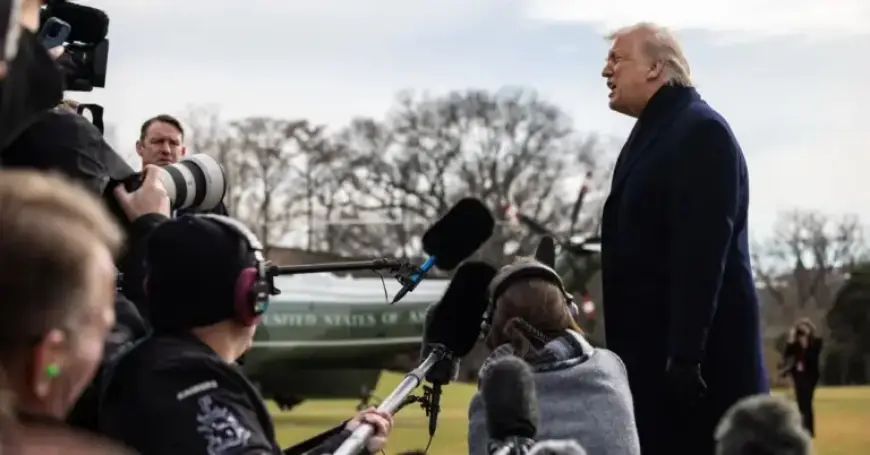
President Trump announced new tariffs targeting several European nations in a bid to gain control of Greenland, a territory of Denmark. In a social media post, he revealed that starting February 1, a 10% tariff will be applied to all goods exported from Denmark to the United States. This decision also affects fellow NATO members: Norway, Sweden, France, Germany, Britain, the Netherlands, and Finland.
Details of the Tariff Announcement
If these nations do not negotiate to sell Greenland, the tariff rate will escalate to 25% on June 1. Trump added that these tariffs are necessary to protect U.S. interests against Chinese and Russian ambitions in the Arctic, despite existing U.S. military agreements with Denmark from 1951.
Global Reactions and Legislative Backlash
European leaders reacted with immediate and unified outrage. French President Emmanuel Macron stated that such intimidation would be met with a coordinated response from Europe. The Swedish Prime Minister also condemned the tariffs, asserting that decisions regarding Greenland belong solely to Denmark and Greenland.
- President Emmanuel Macron (France): “No intimidation or threat will influence us.”
- Swedish Prime Minister: “We won’t allow ourselves to be blackmailed.”
- Britain’s Prime Minister Keir Starmer: “Tariffs on allies are completely wrong.”
- Republican Representative Don Bacon: “Foolish policy; likened to actions of Putin.”
The announcement also caused concern in Washington, with several lawmakers from Trump’s own party expressing disagreement. Senator Lisa Murkowski labeled the tariffs as “unnecessary, punitive, and a profound mistake.” Many believe this may lead to a significant strain in transatlantic relations and could jeopardize previous trade agreements.
Implications for Trade Relations
The U.S. currently applies a 10% tariff on British imports and 15% on those from the European Union. The new tariffs will likely add further strain to existing trade relationships. Experts warn that Trump’s approach may derail the recent 15% tariff deal negotiated by Ursula von der Leyen, the President of the European Commission, which was intended to improve trade relations.
Concerns About Domestic Response
The tariffs imposed on European allies reflect a concerning trend, with significant implications for U.S. consumers. As tariffs are paid by importers, the increased costs may ultimately burden American shoppers. Lawmakers like Senator Thom Tillis indicated that such actions could benefit adversaries who wish to see NATO divided.
Future Considerations
The Supreme Court is currently deliberating on Trump’s legal authority to impose these tariffs under the International Emergency Economic Powers Act. A ruling against the President could hinder his ability to enforce these trade measures. Diplomats continue to seek dialogue, emphasizing the need for cooperation between the U.S. and its European allies.
As this situation unfolds, the potential for a trade war looms large, underscoring the delicate balance of international relations against the backdrop of national interests.