






















Womens Day 2026: Google Doodle Spotlights Women in STEM as Agencies Face Calls to Back Words with Action

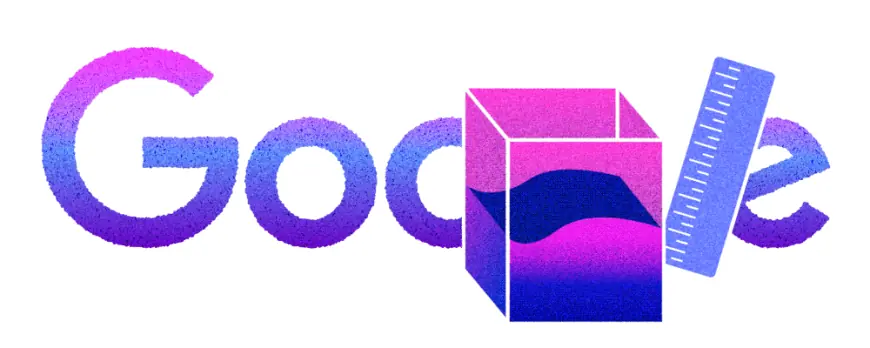
A commemorative Doodle marking International Women's Day has been unveiled, spotlighting women in science, technology, engineering and mathematics at a moment when creatives and agency leaders are pressing brands to turn symbolic gestures into sustained commitments. The juxtaposition of celebratory art and renewed demands for workplace reforms makes womens day 2026 an early focal point for discussions about integrity and investment in gender equality.
Womens Day 2026 Doodle honors STEM pioneers
The special Doodle celebrates a range of women-led achievements "from stargazers to ocean navigators, " framing those discoveries and inventions as foundational to the modern world and as inspirations for the next generation. The Doodle program itself has a documented history: the first Doodle appeared in 1998 before the company was incorporated, the first animated version premiered on Halloween in 2000, and the first same-day Doodle was produced in 2009 when water was discovered on the moon. Hundreds of Doodles launch around the world every year, and the artists behind them are formally called "Doodlers. "
Details about the Doodle process underline its variability: some works take years from sketch to launch, while others are completed in a matter of hours. The program also runs a student contest whose winners have gone on to professional art careers, and one recurring character—Momo the Cat—appears more frequently than any other in Doodle rotations.
Rowenna Prest and Interbrand urge agencies to fund lasting change
Creative leaders are using the day to critique common industry behavior and press for structural measures. Rowenna Prest, chief strategy officer at Joint, warned that tokenistic displays are not enough: brands must consider not only what they produce but who produces it. Her prescription includes systemic human-resources programs around equal pay and equal promotion prospects, backed by a culture that leaders actively champion rather than leaving implementation to HR alone.
Prest highlighted three cultural shifts she sees as essential: a workplace that celebrates difference, attention to inclusive language, and genuine flexibility for employees with care commitments—responsibilities that continue to fall disproportionately on women. She noted that traditional "mate" cultures can unintentionally exclude 52% of the population, diminishing diversity despite good intentions.
Sue Daun, executive creative director at Interbrand, framed the problem plainly: many brands flood feeds with empowerment messages on 8 March only to revert to business as usual by 9 March. Because public-facing activity often lacks integration with internal policies and budgets, advocacy can ring hollow. What makes this notable is the growing insistence from within the creative community that public celebration must be matched by concrete workplace policies and targeted funding if it is to effect real change.
International Women's Day quotes and public resonance
Alongside visual tributes, curated collections of Women's Day quotes circulated to amplify themes of courage, leadership and resilience. Compilations titled "Women's Day quotes 2026" assembled lines attributed to figures including Confucius, Marilyn Monroe, Anais Nin, James Dean and Diego Maradona, offering a mix of philosophical reflection and popular cultural touchstones intended to empower readers to take charge of their lives.
The coexistence of commemorative art, motivational quotations and industry critiques creates a clear cause-and-effect dynamic: high-visibility tributes raise awareness and public sentiment, but without follow-through—such as pay equity programs, promotion protocols and sustained budget commitments—those tributes risk remaining symbolic. The broader implication is that womens day 2026 is shaping up as a test of whether brands will translate momentary visibility into measurable institutional change.
As the day progresses, the combination of a global Doodle honoring scientific pioneers, vocal calls for cultural reform from agency leaders, and the steady stream of inspirational quotes will determine whether public recognition is accompanied by the policies and investments advocates say are necessary for lasting progress.