What Is The Save America Act? Trump Seeks to Add Anti-Trans Provisions

what is the save america act has become a flashpoint after the White House confirmed Friday that President Donald Trump is pressing Congress to attach new provisions targeting transgender people to the legislation, along with a ban on no-excuse mail voting. The move revives debate over whether the bill would tighten voter access or block millions from the rolls.
What Is The Save America Act: White House adds anti-trans measures
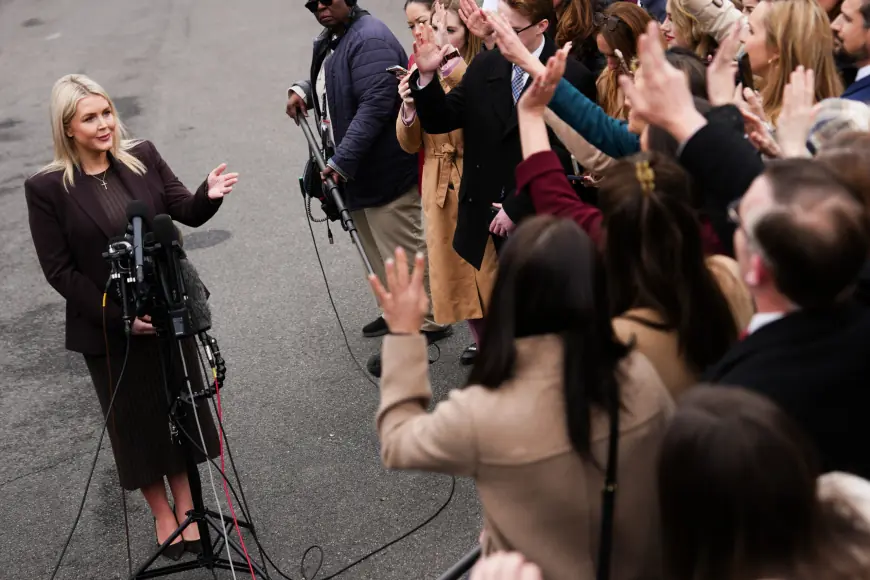
The White House said the president recently added demands to the SAVE America Act, singling out language that would ban transgender transition surgeries for minors and bar “men in women’s sports. ” White House press secretary Karoline Leavitt said, “This is a huge priority for the president. He added on some priorities to the SAVE America Act in recent days, namely, no transgender transition surgeries for minors. We are not gonna tolerate the mutilation of young children in this country. No men in women’s sports. ”
The administration also pushed to insert a broad ban on no-excuse mail voting; in a public post, the president wrote that the legislation includes “NO MAIL-IN BALLOTS (EXCEPT FOR ILLNESS, DISABILITY, MILITARY, OR TRAVEL!). ” An earlier version of that post referenced parental consent for transition surgeries but was later republished without the parental-consent clause after backlash.
How the bill would change voting rules
The version of the bill that passed the House last month would require documentary proof of U. S. citizenship to register for federal elections, demand a matching photo ID in person at the time of voting, and mandate routine voter purges. If the Senate were to amend the bill to add the anti-trans or mail-voting language, the measure would have to return to the House for another vote because of the changes.
Passage in the Senate faces steep procedural hurdles: most legislation requires 60 votes to overcome a filibuster, and Democrats have vowed to block the bill. Senate Majority Leader John Thune has so far declined to support changing filibuster rules to clear the legislation.
Voter stories underline practical hurdles
Critics point to concrete examples of how tightened rules could trip up ordinary voters. Kathy Magnuson, 82, told an opinion writer that she has used several versions of her name on official documents over decades — signing Social Security records as “Kathy A. Brown, ” later using “Kathleen A. Magnuson” and “Kathleen Ann Magnuson. ” She said the discrepancies triggered an audit when she applied for an enhanced ID, and she had to travel three hours to Washington County to get an old marriage certificate properly stamped.
Magnuson said she has voted in every presidential and midterm election since she was 21 and worries that similar documentation problems could prevent her or others from casting ballots if stricter matching and ID rules take effect.
The White House has countered by pointing to fresh polling it says shows broad public support for the SAVE America Act and has urged Congress to act quickly. Supporters frame the bill as a measure to fortify election integrity; opponents argue the requirements would create new barriers to voting.
If the Senate moves the bill with new anti-trans or mail-voting provisions, the next confirmed procedural step is simple and binding: the amended measure would return to the House for another vote. For now, Senate leaders have not agreed to change filibuster rules, and the bill’s path remains uncertain.