

























Middle East Energy Giant Warns: Iran Conflict Threatens Global Economies

The ongoing conflict in Iran has taken a heavy toll on the region and poses significant threats to global economies. As the war approaches its first week, the repercussions are becoming clear. Regional leaders are increasingly concerned about the potential for a prolonged conflict to destabilize the Middle East and disrupt global energy markets.
Impact on Global Energy Supply
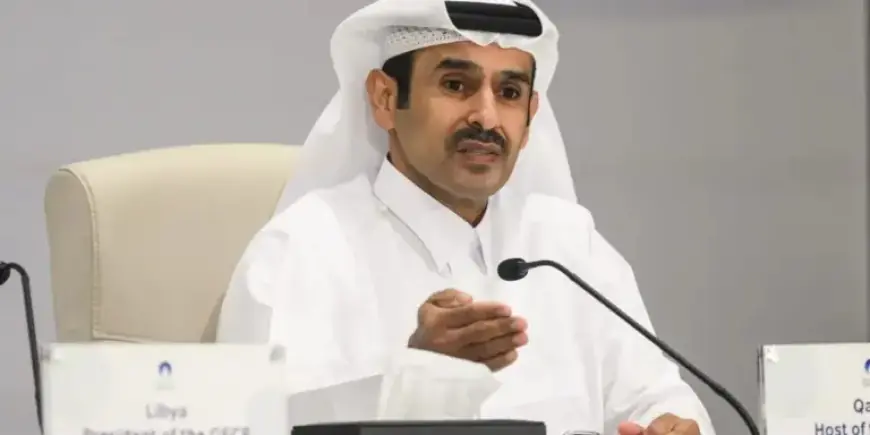
The Middle East has established itself as a vital hub for global oil and gas supply. However, continued hostilities have led to dangerous navigation conditions for tankers, severely affecting energy trade. Saad al-Kaabi, Qatar’s energy minister and CEO of its state-owned company, has warned that prolonged conflict could dramatically impact global GDP growth. “If this war continues for a few weeks, energy prices will surge,” he remarked.
Disruption of Shipping Routes
As the conflict unfolds, tanker traffic through the Strait of Hormuz has come to a halt. This strait is crucial, accounting for approximately 20% of global traded petroleum products and liquefied natural gas (LNG). Qatar, known for its significant LNG exports, has nearly ceased shipments. The situation worsened this week when Iran targeted the Ras Laffan LNG export facility, forcing it into an unprecedented shutdown. This facility, the largest of its kind globally, has operated for thirty years without interruption.
Rising Energy Prices
The shutdown of Ras Laffan has already caused gas prices in Europe to spike by 50%. The duration of this closure and its subsequent impact on the global energy landscape remain uncertain. Al-Kaabi noted, “We are still assessing the damage, and it’s unclear how long repairs will take.” This uncertainty threatens Qatar’s reputation as a stable LNG supplier.
- Qatar’s exports account for about 19% of global LNG supply.
- Energy inflation is predicted to affect other industrial processes worldwide.
- Extended disruption may lead to shortages and delays in supply chains.
Wider Economic Implications
Beyond energy prices, the conflict’s fallout could ripple through various sectors globally. Industries like steel, aluminum, and chemicals may experience increased production costs. Some companies might have to reduce output or even shut down operations, exacerbating supply chain issues.
Europe’s reliance on Qatari LNG is pressing, especially following its efforts to reduce dependency on Russian gas. A prolonged outage at Ras Laffan would compel European nations to compete for alternative supplies, likely inflating prices further.
Asian importers such as Japan, South Korea, and China could also face significant challenges. A sustained reduction in Qatari LNG would force them to make difficult decisions regarding their energy strategies, further complicating the global energy crisis.
The current situation highlights the interconnectedness of global economies and underscores the importance of stability in the Middle East. As the conflict continues, its impact on energy supply and pricing will undoubtedly have a profound effect on economies worldwide.