Nvidia Claims RTX 50-Series GPUs Shipping, Yet Supply Issues Persist

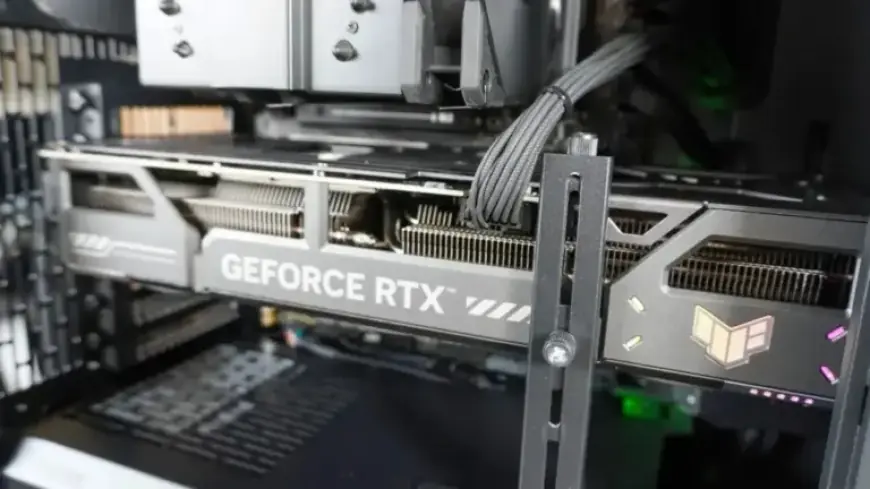
Nvidia has announced that it will continue shipping its RTX 50-series graphics cards, despite ongoing supply challenges. This decision follows a brief controversy regarding the status of the RTX 5070 Ti, which Asus first indicated was nearing end-of-life status. However, Nvidia quickly countered that all GeForce SKUs would remain in production.
Nvidia’s Commitment to RTX 50-Series GPUs
Nvidia reassured consumers that it is actively working with suppliers to maximize memory availability. The company aims to sustain its supply amid growing competition from AI data centers, which are consuming substantial memory resources.
Status of the RTX 5070 Ti and Other Models
Initially, reports suggested that Asus had labeled the RTX 5070 Ti as discontinued. Following Nvidia’s clarification, Asus retracted its statement, asserting that neither the RTX 5070 Ti nor the RTX 5060 Ti 16GB has been discontinued. Both models are currently affected by temporary supply limitations linked to memory shortages.
- Initial report by Hardware Unboxed regarding the RTX 5070 Ti being EOL.
- Nvidia confirmed ongoing shipping of all RTX 50-series GPUs.
- Asus retracted its statement on the RTX 5070 Ti status after Nvidia’s intervention.
Market observers note that supply constraints have resulted in price increases for RTX 50-series cards, with some seeing hikes of up to 32% against their MSRP. According to Tom’s Hardware, Nvidia has reportedly cut GPU supply by 15-20%. This reduction might affect new GeForce launches, potentially delaying them until 2027.
Impact on PC Gaming Market
The growing demand from AI companies has led to increased pressure on the gaming graphics market. Reports indicate that Nvidia is also throttling supplies for models with over 8GB of VRAM, a change that extends to dedicated laptop GPUs. Consequently, gamers may have to reassess their purchasing strategies.
Consumer Guidance Amid Supply Issues
Nvidia CEO Jensen Huang has acknowledged the high demand for GDDR video memory. He indicated that Nvidia is planning its supply strategy with consideration for the evolving landscape. As consumers contemplate their options, they can either purchase now at inflated prices or wait for potential drops in the future.
The rapidly changing dynamics of supply and demand in the GPU market, particularly due to the rising influence of AI, will remain critical for consumers and industry stakeholders alike.