Tech Companies Drive Retailers to Integrate A.I. Universally

The integration of artificial intelligence (A.I.) in retail is reshaping how companies operate. A wide range of businesses, from luxury brands to convenience stores, are exploring various A.I. applications. This includes everything from chatbots and supply chain enhancements to advertising and hiring practices.
Retail Giants Embrace A.I. at National Retail Federation Summit
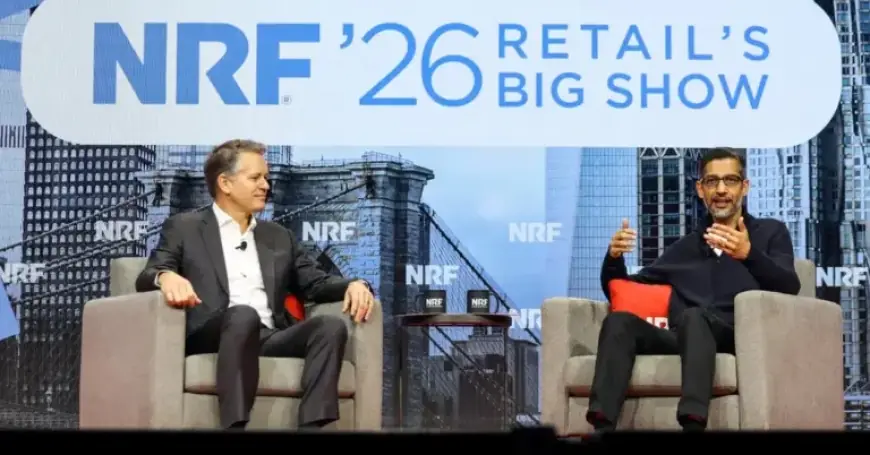
A significant moment for the retail industry occurred during a recent summit in New York. John Furner, the incoming CEO of Walmart, and Sundar Pichai, CEO of Google, shared the stage at the National Retail Federation conference. Both executives stated that A.I. will be pivotal in revolutionizing shopping.
Furner, set to take over Walmart’s leadership on February 1, proclaimed, “This is the era of A.I.” This sentiment reflects a universal push among retailers to adapt to the evolving market landscape, particularly after being caught off-guard by the rise of e-commerce over two decades ago.
Start-Up Innovations and Industry Challenges
Numerous startups are introducing A.I. solutions tailored to meet specific retailer needs. Innovations include in-store cameras capable of recognizing customer demographics and robots that autonomously manage inventory. However, a study from M.I.T. revealed that most companies across various sectors have not incorporated A.I. at a significant scale.
During the conference, Pichai invited retailers to explore Google’s new open-source protocol designed to support A.I. initiatives. This protocol aims to empower brands in developing advanced A.I. agents.
The Rise of Agentic A.I.
One of the most talked-about concepts at the summit was “agentic” A.I. These autonomous digital assistants help consumers during their shopping journeys. Examples include:
- Walmart’s assistant, named Sparky
- Amazon’s assistant, Rufus
- Ralph Lauren’s variant, Ask Ralph
These assistants are developed with the intent to enhance shopping experiences, rather than replace human employees. For instance, LVMH, a leader in luxury retail, utilizes A.I. to inspire creativity among designers.
Using A.I. for Hiring
Companies like 7-Eleven are also leveraging A.I. to streamline recruitment processes. Their A.I. agent, Rita (Recruiting Individuals Through Automation), has significantly reduced the hiring timeframe from two weeks to under three days. Candidates reportedly enjoy interacting with Rita, viewing her as a beneficial part of the hiring experience.
Concerns About A.I. Accuracy
Despite the benefits, concerns linger regarding the reliability of A.I. systems. Companies like Tractor Supply prioritize ensuring that their A.I. solutions deliver accurate advice that mirrors the expertise of trained employees.
Home Depot has adopted generative models to produce advertising content, emphasizing the importance of accuracy in product demonstrations. Ensuring that promotional videos do not mislead customers about proper product use is a high priority for them.
Conclusion
The surge in A.I. integration within the retail sector signifies a significant shift in how businesses operate and engage with customers. As companies increasingly adopt A.I.-driven solutions, the focus remains on improving shopper experiences and enhancing workforce efficiency, without compromising trust and accuracy.