Powell Strategically Counters Trump’s Planned Federal Reserve Changes

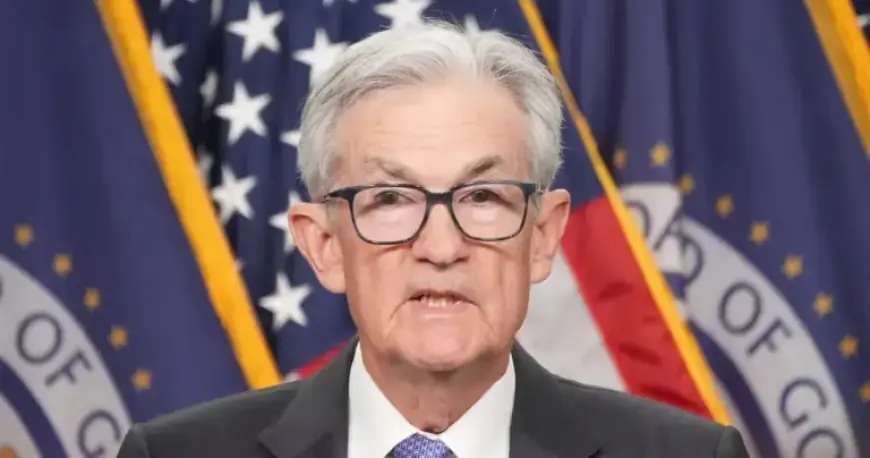
Jerome Powell, the 72-year-old Chair of the U.S. Federal Reserve, faces a pivotal decision. With his term as chair concluding in May, he must weigh his commitment to family and personal interests against the need to preserve the independence of the Federal Reserve amid ongoing pressure from the Trump administration.
Powell’s Ongoing Role and Potential Impact
While President Donald Trump prepares to nominate a successor, Powell retains a seat on the Fed’s Board of Governors for an additional two years. This position grants him a significant influence over monetary policy and potential reforms during a crucial period under Trump’s presidency. Powell’s past experiences as a dealmaker at the Carlyle Group position him uniquely in this landscape.
During a recent press conference, Powell remarked, “I’m focused on my remaining time as chair.” This response reflects his cautious stance toward his future in light of the looming administrative changes.
Increasing Pressures from the Trump Administration
The backdrop of Powell’s dilemma includes increasing tensions. The U.S. Department of Justice has threatened criminal indictments related to efforts perceived as political pressure on the Fed. This situation escalated recently, culminating in a video statement by Powell that garnered nearly 1.2 million views on YouTube. In this statement, he directly addressed the pressure from Trump for significant interest rate cuts.
Supporters of Powell describe him as an institutionalist, valued across party lines, having received support from both Trump and prior administrations. Amid these pressures, observers note a shift in Powell’s approach, emphasizing his commitment to uphold the Fed’s autonomy.
Historical Context of Fed Leadership
Traditionally, outgoing Federal Reserve Chairs resign their Board seats to facilitate a smooth transition for their successors. The last to remain during such a transition was Marriner Eccles in 1948. Powell’s potential decision to continue serving would defy nearly eighty years of established precedent.
- The Federal Reserve Board consists of seven members, with staggered terms of 14 years.
- Current board members include both Trump and Biden appointees, creating a politically divided environment.
- Powell holds a critical swing vote as dynamics evolve within the board.
The Future of the Federal Reserve
Despite the pressures and risks, Powell’s decision to remain at the Fed could be essential for maintaining its independence. Recent intensifying critiques and the prospect of Trump’s further appointments position Powell’s vote as increasingly significant.
Market observers and policy experts express concerns that attempts to politicize the Fed could harm economic stability. They emphasize that political interference could lead to erratic monetary policy, which is detrimental to long-term economic goals.
Powell’s term as Fed Chair concludes amidst swirling uncertainties, but the upcoming months will be vital in determining the Fed’s direction. His decisions may dictate not only his legacy but also the central bank’s path in navigating political pressures.