Australian Open spotlight: Roger Federer’s Melbourne return and Jannik Sinner’s title defense ignite opening weekend

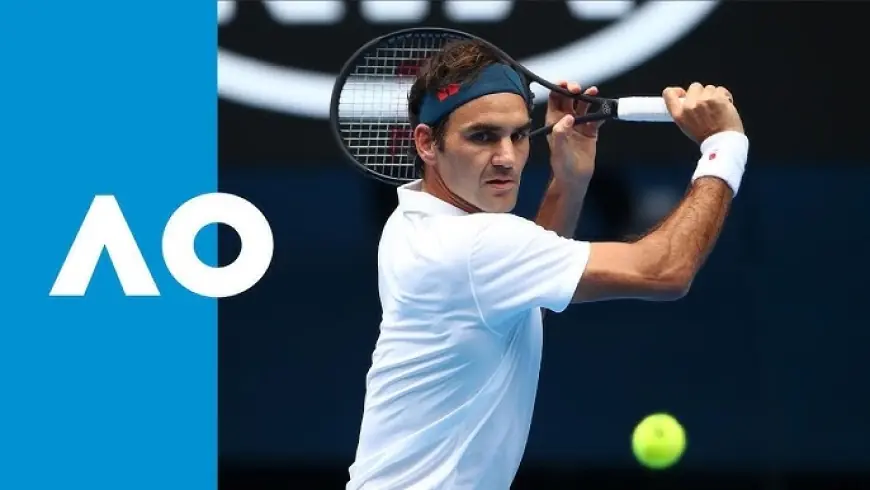
The Australian Open is set for a high-profile start as a beloved six-time champion returns to Melbourne Park while the reigning men’s winner prepares to launch a defense that could redefine the season’s early narrative. With packed practice courts, a glitzy opening ceremony and a draw that places heavyweights on a collision path, the first Grand Slam of the year arrives with both nostalgia and fresh intrigue.
Roger Federer’s Australian Open return energizes the “Happy Slam”
Roger Federer is back onsite in Melbourne for a formal salute that doubles as a celebration of the event he famously nicknamed the “Happy Slam.” His weekend appearance includes a featured role in the opening ceremony and an exhibition hit that will give fans a final chance to see his artistry on Rod Laver Arena. Beyond the pageantry, Federer’s media availability turned into a state-of-the-game conversation: he praised the quality at the top of men’s tennis and singled out the surge of young rivals reshaping center stage.
The symbolism matters. Melbourne was where Federer re-engineered his late-career renaissance, and his return stitches eras together—linking the dominance that defined the 2000s and 2010s with a present day powered by fearless baseliners, supreme athletes and deeper benches. His presence is also a reminder that this tournament, more than any other, revels in emotional beats: comebacks on hot afternoons, twilight marathons, and the kind of ovations that draw players back year after year.
Jannik Sinner at the Australian Open: the champion’s road begins
Jannik Sinner arrives as the defending champion and a consensus pace-setter for 2026 after stacking signature wins across the last 12 months. The draw gives him a tricky but manageable first round against left-handed shot-maker Hugo Gaston, a matchup that should showcase Sinner’s improved return position and heavier backhand through the ad court. The Italian’s serve-plus-one patterns—particularly the flat forehand into the corner followed by a quick redirect—have matured into point-shortening weapons that protect his legs in best-of-five.
Key early checkpoints for Sinner’s defense:
-
First-strike efficiency: Expect a premium on landing north of 65% first serves to keep rallies on his terms and mute Gaston’s variety.
-
Backhand cage: When extended, Sinner’s backhand crosscourt rally has become one of the sport’s most stable patterns; he’ll use it to build errors before changing line.
-
Net looks: Selective forward movement—especially behind inside-out forehands—can harvest cheap points and discourage the drop-shot/lob gamesmanship that Gaston favors.
Tournament scheduling indicates Sinner will debut on the opening day session in Melbourne; exact court and time will firm up on the daily order of play. As always at this event, session timing can flex with heat management and match lengths, so fans should be ready for late local finishes that land in prime evening hours in Europe and the previous afternoon/evening in North America (ET).
Federer’s view of the new guard: context for Sinner’s moment
The weekend’s connective tissue is Federer’s endorsement of the current landscape: he spotlighted the rising rivalry at the top and pointed to the way modern offensive baseliners absorb pace, then flip court position in a single exchange. Few embody that shift better than Sinner, whose balance off both wings allows him to attack without overplaying. The broader takeaway is that the “big stages, big hitters” era didn’t end—it evolved. Melbourne’s medium-paced hard courts reward confident first strikes and airtight movement, a blend Sinner carries as well as anyone.
Opening-weekend markers to watch
-
Court speed and bounce: Early-round data often shows Rod Laver Arena playing slightly faster than outer courts at night; if that holds, it favors server-aggressors and clean ball-strikers like Sinner.
-
Heat and scheduling management: Hot daytime sessions can reshape tactics, encouraging shorter points and higher risk on returns. Night sessions invite longer exchanges and more physical sets.
-
Lefty looks in Sinner’s quarter: With a southpaw in round one, expect teams in his section to probe deuce-court patterns later in the week, testing how consistently he defends the body serve and short-angle forehand.
Australian Open quick guide: opening weekend (subject to change)
-
Opening ceremony & exhibition: Saturday evening in Melbourne, featuring a salute to past champions with on-court festivities.
-
Men’s title defense begins: Sinner slated for Day 1, main arena placement likely; daily order of play will finalize start time.
-
Night session storylines: Potential top-10 showcases, plus the first look at how the new-season form translates under lights.
Why this edition feels consequential
Between a legend’s homecoming and the defending champion’s first steps, the tournament’s first 48 hours set an emotional and competitive tone. If Sinner navigates the early lefty test cleanly, he can settle into the draw with the authoritative baseline patterns that powered his surge last year. And if the weekend crowd swells for one more ovation of Federer, Melbourne may again feel like the sport’s beating heart—past, present and what’s next—compressed into a single court.