

























9 Million Indians in Gulf Sustain Families with Vital Remittances

The relationship between India and the Persian Gulf has become increasingly essential, especially for the country’s workforce and economy. Currently, approximately 9.3 million Indians live in the Gulf region, reflecting the largest expatriate community from India.
Indians in the Persian Gulf: Economic Impact
These expatriates play a crucial role in supporting families back home through vital remittances. They send about $125 billion annually to India, making it the highest remittance-receiving country globally. This financial flow significantly influences the Indian economy and currency stability.
The Expatriate Landscape
- India’s population is over 1.4 billion.
- Of the 15 million Indian migrant workers abroad, 9.3 million reside in the Persian Gulf.
- Community size is comparable to that of countries like Austria.
In addition to their economic contributions, the Indian community in the Gulf fosters deep cultural ties with the region. Many Indians, like healthcare executive Rehan Khan, communicate using Hindustani, a language that bridges various South Asian dialects.
Challenges and Considerations
The recent geopolitical tensions have raised concerns about these expatriates’ safety and livelihood. Attacks in the region could result in a prolonged economic downturn, impacting both Indian nationals and their families in India.
The Gulf region is not only a terminus for Indian workers but also a pivotal hub for trade. India heavily relies on imports from the Gulf, particularly crude oil, fulfilling around 90% of its needs. This relationship underscores the interconnected nature of both economies.
Living Conditions and Economic Mobility
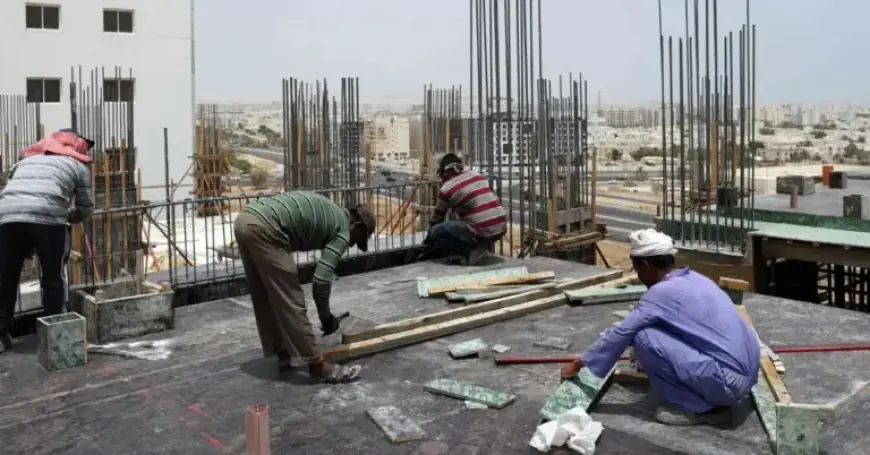
The Indian workforce in the Gulf encompasses a wide range of professions. Among them are successful entrepreneurs alongside low-wage laborers. For many, despite earning modest incomes, remitting a significant portion back home is common.
- Low-wage workers earn between $390 and $520 monthly.
- They typically remit 50% to 70% of their earnings.
The aspirational goal for many is to invest in housing or education for their families. Such contributions have allowed small towns in southern India to thrive, benefiting from diaspora investment.
Conclusion
The bond between India and its expatriate community in the Persian Gulf is vital for economic stability. Any disruption in this connection could pose challenges not only for the workers but also for the broader Indian economy. A collaborative and supportive approach will be essential to ensure mutual prosperity moving forward.