Panthers vs Hurricanes: heavyweight tilt in Raleigh with playoff-style stakes

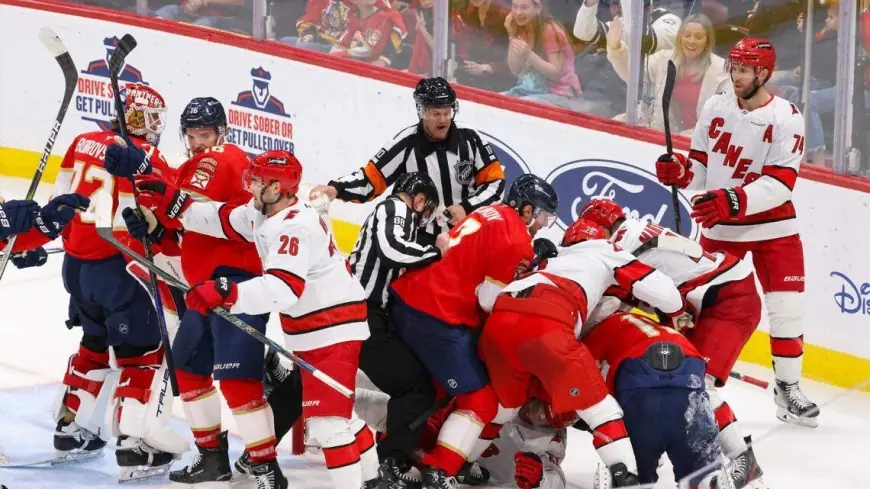
The Eastern Conference pace-setters square off as the Florida Panthers visit the Carolina Hurricanes in a game that feels like late spring in mid-January. Both teams bring top-tier five-on-five metrics, defined identities, and the kind of depth that turns routine shifts into momentum swings. With little separating them in the standings, even a midseason meeting can carry tiebreaker weight later.
Panthers vs Hurricanes game time, venue and context
-
Date: Friday, January 16, 2026
-
Puck drop: 7:00 p.m. ET / 12:00 a.m. GMT (Sat)
-
Where: Raleigh, North Carolina
-
Note: Scheduling and starting lineups are subject to change.
The matchup lands after a rare breather for both clubs. Carolina is looking to snap back from its first shutout loss of the season earlier in the week, while Florida arrives rested after a road win to open its trip. The freshness on both benches should elevate pace and sharpen special-teams execution.
Recent form and head-to-head trends
The Hurricanes have surged by reasserting their trademark forecheck and denying clean exits; when they’re on song, opponents spend long stretches defending below the dots. The Panthers, meanwhile, are once again thriving on layered pressure—first forward drives the puck deep, the second seals the wall, and the third hunts the slot—forcing hurried decisions that turn into o-zone time and shot volume.
In recent meetings, Florida has edged the big moments with timely finishing and late-game situational discipline. Carolina’s response at home often hinges on winning the neutral zone early; if the Canes turn entries into quick strikes or drawn penalties, they flip the math on Florida’s physical cycle game.
What will decide Panthers vs Hurricanes tonight
1) Netfront real estate
Both teams launch from the points and trust deflections, rebounds, and tips. The winner likely owns the blue paint—screens on one end, hard box-outs on the other. Expect frequent scrum whistles after initial saves.
2) Special teams — discipline and details
Each side can punish mistakes with structured power-play looks that funnel pucks through the bumper and back door. Whistles tend to tighten as the game wears on; the club that stays at five-on-five (or cashes the one late opportunity) gains a decisive edge.
3) Exit speed vs. reloads
Florida’s forecheck is built to trap slow exits; Carolina’s counter is quick support to the middle with immediate chips behind pressure. The side that strings together clean first passes will spend less time defending tired.
4) Faceoffs in the defensive zone
These are two of the NHL’s sharper set-play groups. Lost draws in your own end often mean an immediate seam chance; winning them fuels transition before the forecheck arrives.
5) Goaltending poise under traffic
With both offenses leaning into screens and tips, goalie tracking becomes the hinge. A calm first save followed by controlled rebounds can throttle an opponent’s expected-goals edge.
Matchup markers to watch
-
Shot share and quality: Expect a high-event first period as both teams test matchups. Watch for which coach chases o-zone starts for a top forward line after icings—this usually signals where they think the soft spot is.
-
Rush chances vs. cycle: Carolina thrives when rush attempts complement the cycle; Florida pulls away when cycle shifts lead to drawn penalties or mismatches on long changes.
-
Third-pair minutes: Depth on defense often decides this particular rivalry. If either team isolates a third pair with repeated o-zone shifts, look for a momentum spike and possibly the night’s turning point.
Projected lineup notes (subject to change)
Both benches have managed day-to-day knocks recently, so expect “game-time decision” tags for at least one forward group. Florida typically rolls three lines capable of scoring, with a fourth line that tilts ice through forecheck pressure and defensive-zone draws. Carolina’s balance shows in its wing depth and a blue line that activates confidently; the second pair’s gap control against Florida’s top rush line will be pivotal.
In net, Florida’s starter has thrived behind layered shot suppression, while Carolina’s tandem has posted strong numbers at home. If either side faces early penalty trouble, goalie workload could spike quickly to 10+ shots before the first intermission.
Micro-battles and coaching chess
-
Florida’s low-to-high into middle seams vs. Carolina’s sticks-in-lanes: If the Panthers hit their slot bumper early, the Canes will counter with tighter layers and faster clears off the glass.
-
Carolina’s weak-side D activation vs. Florida’s back pressure: When the Canes’ weak-side defenseman dives, Florida’s tracking forwards must disrupt the return pass; otherwise, Raleigh’s team generates back-post looks.
-
Timeout timing: Both coaches are comfortable using a second-period timeout to reset after extended defensive shifts. Watch for this if a unit gets hemmed in following an icing.
Prediction and outlook
It’s a razor-thin margin matchup with playoff tempo written all over it. The Hurricanes’ urgency at home after a frustrating offensive night should drive an aggressive first period. Florida’s composure and forecheck layers typically travel well and can turn a tight game with one special-teams conversion.
Lean: one-goal game, slight edge to Carolina at home if they limit Florida to one power-play tally and win the defensive-zone draw battle. If Florida controls the blue paint and keeps the game five-on-five, the Panthers have the late-third gear to steal it. Either way, expect third-period shot blocks, short benches, and a scoreboard that reflects postseason intensity.