BMC election results: Mahayuti surges ahead as counting signals a decisive shift in Mumbai

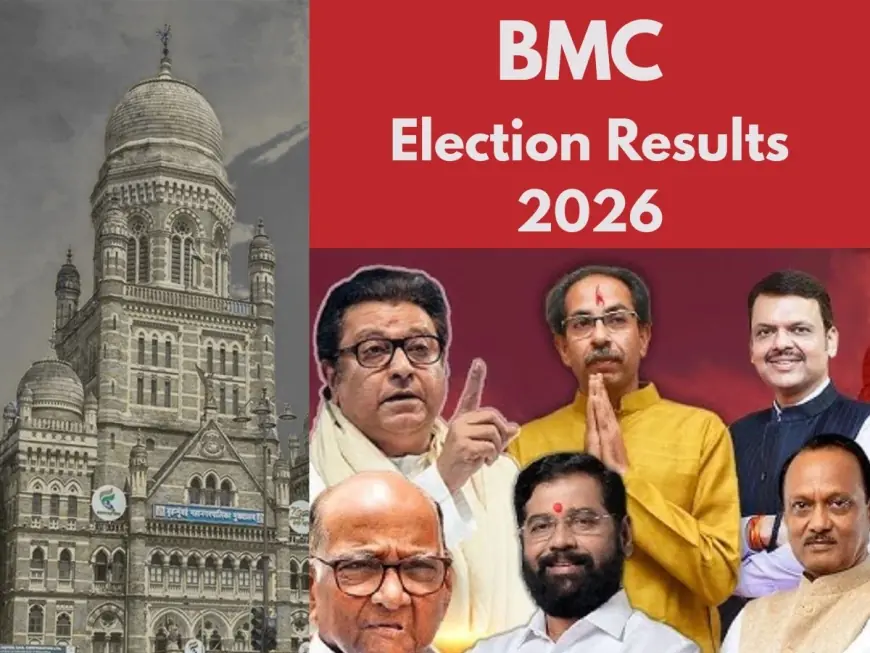
The BMC election results are reshaping Mumbai’s civic landscape after years of delay, with counting trends on Friday pointing to a clear edge for the Mahayuti alliance. Early ward wins and ward-level margins indicate the Bharatiya Janata Party and the Eknath Shinde–led Shiv Sena are on course to control Asia’s richest municipal corporation, crossing the 114-seat halfway mark in the 227-member house. While some margins are still being finalized, the pattern across key pockets of the city suggests a mandate centered on infrastructure delivery, governance stability, and a recalibration of alliance politics.
BMC election results: where the numbers are moving
Vote counting began Friday morning and, through the afternoon and evening rounds, the Mahayuti alliance steadily opened up leads in multiple wards across the western and eastern suburbs as well as crucial island-city bastions. Individual contests underline the scale of the shift: in Malad West’s Ward 46, for instance, the BJP candidate registered a landslide margin, emblematic of the alliance’s urban consolidation. As late-evening trends firmed up, the alliance consistently stayed beyond the majority threshold, with the BJP emerging as the single largest party and the Shinde-led Sena adding heft to the final tally.
On the opposition bench, the Shiv Sena (Uddhav Balasaheb Thackeray) managed to retain influence in select Marathi-dominant pockets but struggled to build a citywide wall against the alliance. The Congress, contesting alongside other partners in parts of the city, trailed badly in many rounds, heading toward one of its weakest showings in Mumbai’s civic politics. Independents and smaller parties made local dents but did not materially alter the citywide momentum.
Status note: Some ward results remain subject to final confirmation by the election authorities. Figures may tighten as late rounds from closely fought booths are tabulated.
Why the BMC verdict matters for Mumbai
The Brihanmumbai Municipal Corporation is the nerve center of India’s financial capital: a ₹50,000-crore-plus annual budget, citywide public health, primary education, roadworks, storm-water drainage, beaches, sanitation, and marquee projects such as the Coastal Road, sewer overhauls, and flood-mitigation upgrades. A stable majority determines:
-
Project continuity: Faster clearances for road connectors, coastal engineering, and hospital upgrades.
-
Monsoon readiness: Procurement and execution on desilting, pumping stations, and micro-drainage can be synchronized without committee gridlock.
-
Ward-level accountability: With standing committees refilled after years of administrative rule, local works—footpaths, ward schools, solid waste—are expected to move faster.
-
Revenue decisions: Property tax rationalization, scrutiny of user charges, and PPP frameworks for capital works all hinge on a cohesive treasury bench.
Reading the mandate: what swung the BMC election results
Three broad currents shaped the citywide outcome:
-
Infrastructure-first voting: Voters rewarded visible, near-term gains—coastal road openings, flyover decongestion, new metro interchanges, and hospital refurbishments. Even where projects remain incomplete, steady progress blunted anti-incumbency.
-
Alliance arithmetic: The Mahayuti’s pre-poll coordination minimized three-cornered splits in several swing wards. In contrast, opposition seat-sharing frictions and overlapping social coalitions diffused vote banks across key precincts.
-
Localized leadership: Strong ward captains, disciplined booth management, and hyperlocal issues—hawker regulation, parking zones, waste pickup timing—mattered as much as citywide narratives, especially in tightly packed suburban wards.
The road ahead: mayor, committees, and first 100 days
With the majority effectively secured by the alliance, the next milestones are procedural but pivotal:
-
Mayor and Deputy Mayor: The alliance is poised to nominate the top civic posts once the final results are notified. Expect a unifying face acceptable across suburban and island-city councillors, with a technocratic tilt.
-
Standing Committee reboot: Contract vetting and budget approvals will move from bureaucratic stewardship back to elected oversight. Watch for early signals on procurement transparency and e-tendering thresholds.
-
Budget recalibration: The incoming treasury bench will inherit a large capex pipeline. The immediate test: reprioritizing drainage upgrades before the 2026 monsoon while keeping marquee corridors on schedule.
-
Service benchmarks: Ward-level dashboards for potholes, solid waste, primary health OPDs, and school infrastructure are likely to be pushed into a citywide KPI tracker to demonstrate early wins.
What to track as final BMC election results lock in
-
Close wards and recount corridors: A handful of inner-city booths with narrow margins could still change color late at night.
-
Opposition strategy: Whether the Uddhav-led Sena focuses on committee vigilance or pursues legal/administrative challenges in specific wards.
-
Project continuity signals: First 30-day decisions on storm-water works, coastal road commissioning phases, and hospital capacity additions will indicate the alliance’s delivery cadence.
-
Civic staffing and audits: Movement on key postings in roads, SWD, and health; plus any fresh forensic or performance audits of legacy contracts.
While some tallies are still being finalized, the direction of travel is unmistakable—Mahayuti has seized control of the BMC, with the BJP at the vanguard and the Shinde-led Sena consolidating the alliance’s grip. For Mumbai, that points to continuity on large infrastructure, a faster restart of elected oversight, and an immediate push to translate a headline victory into ward-level service gains.