Canada Lowers Tariffs on Chinese EVs, Diverging from U.S. Policy

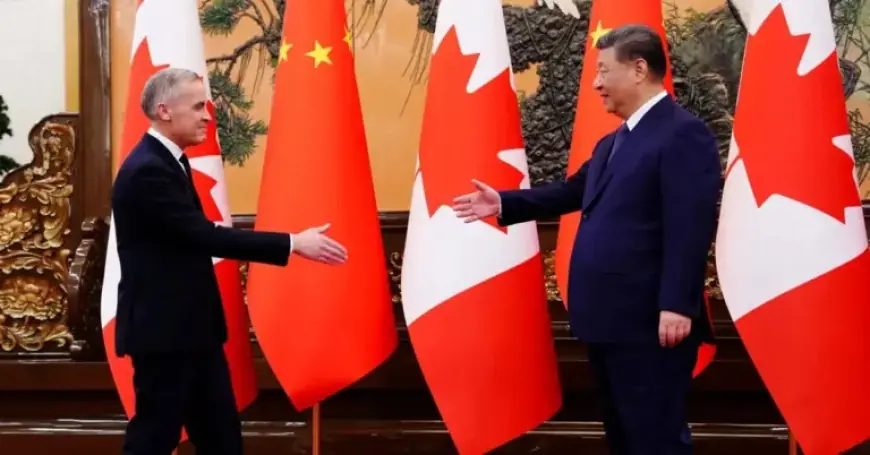
Canada has announced a significant reduction in tariffs on select Chinese electric vehicles, signaling a departure from current U.S. trade policies. Prime Minister Mark Carney made this announcement during his state visit to Beijing, marking a potential shift in international trade relations.
Tariff Reductions on Electric Vehicles
Effective immediately, Canada will lower tariffs on up to 49,000 Chinese electric vehicles to a preferential rate of 6.1 percent. This is a stark decrease from the previous 100 percent tariff imposed in 2024, which was influenced by U.S. trade policies.
Strategic Partnership with China
During his meeting with President Xi Jinping, Carney emphasized the emergence of a new “strategic partnership” between Canada and China. This development comes as both nations seek to bolster their economic collaboration amidst strained ties with the United States.
- Canada’s new electric vehicle tariff: 6.1% on 49,000 imports
- Previous tariff: 100% since 2024
- Prime Minister Mark Carney’s visit: Discussed relations with President Xi Jinping
Investment in Canada’s Auto Sector
As part of the agreement, China will also invest significantly in Canada’s auto industry over the next three years. This investment indicates a commitment from China to deepen its involvement in the Canadian market.
Reciprocal Tariff Reductions
In exchange for Canada’s tariff concessions, China will reduce its tariffs on Canadian canola products. The new tariff rate will drop to approximately 15 percent for canola seeds, down from about 85 percent. Additionally, the 100 percent tariff on canola meal will be eliminated, allowing relief for Canadian agricultural producers.
Context of Changing Trade Relations
This pivot toward China is part of Canada’s broader strategy to diversify its trading partners. Carney highlighted the need for Canada to reduce its reliance on U.S. markets, especially following President Trump’s imposition of tariffs on key Canadian exports. The trade relationship between Canada and the U.S. has been strained, impacting ongoing trade negotiations.
- China’s priorities: Economic partnership and diplomatic counterweight to the U.S.
- Carney’s remarks on the U.S.: Discussed as a “rupture” in Canada-U.S. relations
Diplomatic Caution
While pursuing economic opportunities with China, Carney acknowledged the need for pragmatic approaches regarding China’s human rights record. He stated that discussions on these concerns would be handled privately, emphasizing a delicate balancing act in diplomacy.
This historic move marks a notable reevaluation of Canada’s foreign trade policies, as the nation seeks to navigate the complexities of its global relationships.