

























iPhone 18 Pro Max Takes Shape for Fall 2026 as Apple Bets on a Smaller Dynamic Island

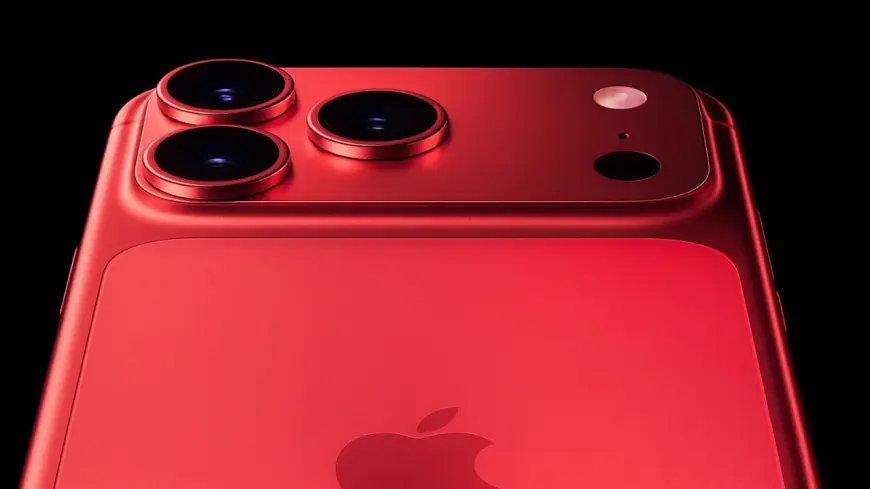
The iPhone 18 Pro Max is starting to look like Apple’s next “quietly dramatic” upgrade: not a radical redesign, but a front-of-phone change you’ll notice every time you unlock it. The most consistent expectation heading into March 2026 is that Apple keeps the Pro launch in the usual fall 2026 window, while shifting the cheaper models later—effectively nudging early upgraders toward the Pro Max tier if they want the newest hardware on the normal schedule.
That calendar matters because Apple’s release cadence is part of its pricing power. If the top-end phones arrive first, the company can steer demand toward higher-margin devices before the mainstream models appear. In other words, the iPhone 18 Pro Max isn’t just a product; it may be the first test of a reshuffled iPhone year.
iPhone 18 Pro Max release date and release time
The working consensus remains a September 2026 debut for the iPhone 18 Pro Max, with preorders likely opening the same week as the announcement and first deliveries roughly a week later—assuming no supply choke points. The “release time” question typically matters most for two moments: Apple’s keynote (usually early afternoon ET) and preorder go-live (often early morning ET on a Friday). Apple hasn’t confirmed anything publicly, but that pattern has held for years when the company isn’t battling major production constraints.
The bigger story is the rumored split schedule: Pro models in fall, non-Pro models later. If that happens, it creates a longer runway in which the iPhone 18 Pro Max is the “newest iPhone” in stores—an advantage that can reshape upgrade behavior and carrier promotions.
Resident Evil-style “RE9” moment: smaller Dynamic Island, partial under-display Face ID
The most repeated design rumor is a smaller Dynamic Island rather than a full disappearance. The nuance matters: a lot of people hear “under-display Face ID” and assume Apple is about to ship a truly uninterrupted screen. The likelier step is more incremental—moving some Face ID components under the display to reduce the cutout footprint, while keeping the front camera visible and preserving the familiar pill-shaped area in a tighter form.
Why Apple would do it now comes down to risk. Face ID is a trust feature: if it stumbles even occasionally—odd angles, low light, sunglasses edge cases—people don’t treat that as a minor bug. They treat it as a broken promise. A smaller Dynamic Island lets Apple advance the “cleaner front” goal while keeping a known-good system architecture.
For users, the practical win isn’t just aesthetics. A reduced cutout can improve immersion in video, games, and reading—small daily moments that add up. For Apple, it’s a marketing anchor you can see instantly in a store without explaining anything.
A20 Pro, “2nm” whispers, and the real Pro Max advantage
Performance rumors for the iPhone 18 Pro Max largely orbit the A20 Pro. The key idea circulating is a new manufacturing step—often described as “2nm-class”—that should push efficiency more than raw speed. In a Pro Max, efficiency is the real prize: it can translate into longer battery life, steadier sustained performance, and less heat during camera-heavy use or long gaming sessions.
This is where Apple’s strategy gets subtle. Many buyers don’t need more peak CPU power; they need a phone that feels the same at 5 p.m. as it did at 9 a.m. If the A20 Pro delivers meaningful power savings, Apple can claim “all-day” gains without resorting to a bulky battery jump—and it can preserve the thin-and-dense physical identity of the Pro Max.
There’s also a cost side. Advanced chip processes tend to be expensive, and 2026 component pricing pressure—especially memory—has been an industry-wide theme. The iPhone 18 Pro Max will sit right at the intersection of “latest process” and “highest bill of materials,” which makes its pricing story unusually consequential this year.
iPhone 18 Pro Max price: holding the line, or moving it?
One of the more notable rumors is that Apple aims to hold starting prices steady for the iPhone 18 Pro and Pro Max, despite rising component costs. If Apple manages it, the message is powerful: premium without sticker shock, even as competitors test higher prices. If Apple doesn’t manage it, expect the company to justify any bump with the most visible upgrades—front design and camera—because those are easier to “feel” than internal silicon economics.
From a market perspective, the pricing decision is less about a single number and more about precedent. If Apple holds price, it reinforces the Pro Max as a predictable “annual splurge.” If Apple raises price, it risks making upgrades feel optional—especially if the mainstream iPhones are arriving later anyway.
Camera upgrades: 24MP selfie chatter and why it matters
The most persistent camera rumor is a jump to a 24MP front-facing camera on the Pro models. Megapixels aren’t everything, but a move like that signals Apple is treating the selfie camera as a primary camera again—important for creators, video calls, and the always-on front-camera culture that has only intensified.
If Apple pairs higher resolution with improved optics and processing, the benefit won’t just be sharper selfies. It’s cleaner digital cropping, better detail in mixed light, and potentially more robust portrait separation—especially when faces aren’t perfectly lit.
What to watch next is whether accessory leaks and supply-chain chatter start aligning on physical changes: front cutout dimensions, camera module geometry, and any hints that the Pro Max is getting a more ambitious optical system. That’s when iPhone rumors stop reading like wish lists and start reading like a production plan.