
























Amy Madigan’s Actor Award Win Puts Union Pride and Oscar Math in the Spotlight

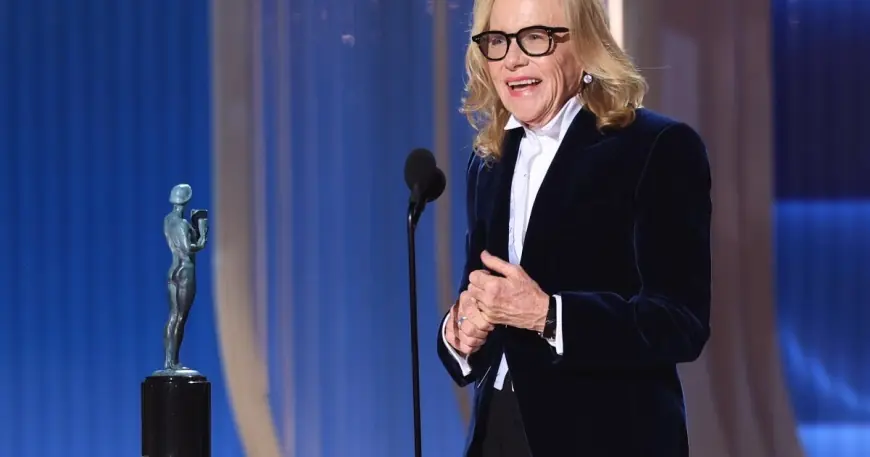
Amy Madigan’s Actor Award victory lands as more than a personal milestone — it immediately affects union solidarity, the supporting-actress Oscar landscape and audience appetite for more of her character. The 75-year-old’s win for her turn as Aunt Gladys in the Zach Cregger horror film has amplified Oscar buzz, energized conversations about a possible prequel and brought explicit union messaging to center stage.
Amy Madigan’s acceptance: union-first, industry-second
Madigan used her acceptance moment to frame the win as a victory for fellow performers and union members. Citing her Chicago roots and a lifelong identification as a union person, she made a point that union solidarity matters to her and to the crowd — saying plainly that they aren’t going to be broken. That message landed alongside gratitude for fellow performers and a reminder of the community aspect of awards nights: she emphasized being a proud member of the actors’ guild and the emotional weight of peer recognition.
The awards night and how the competition played out
The 32nd annual Actor Awards ceremony at the Shrine Auditorium & Expo Hall in Los Angeles produced the upset: Madigan beat nominees Teyana Taylor (One Battle After Another), Odessa A’Zion (Marty Supreme), Ariana Grande (Wicked: For Good) and Wunmi Mosaku (Sinners) to take the supporting actress trophy. Ariana Grande did not attend the ceremony because she was rehearsing for an upcoming tour. Madigan was the only cast member from Weapons nominated at this year’s Actor Awards, which also featured a lifetime achievement moment and other supporting wins elsewhere on the program.
Performance, career context and on-set details
Madigan’s role as the unhinged Aunt Gladys in Zach Cregger’s original horror film became a viral favorite and helped revive awards attention late in her career. The film earned strong critical approval — a 93 percent critics rating on a major review aggregator — and fans have been publicly eager for more of Gladys, even calling for a prequel. Madigan confirmed that Zach Cregger has ideas mapped out for the character but cautioned that until plans are real, they remain possibilities.
On set, Madigan handled most of the physically demanding work herself, using a stunt double only for the very last scene. She described doing extensive running and other strenuous moments without incident, and noted how the cast’s younger performers were part of the production’s chaotic energy; she acknowledged them with a fond, self-deprecating comment about having “terrorized” the kids in the film while letting them play with her character.
Where this win pushes the Oscar race and next steps
Here’s the part that matters: the Actor Award result changed momentum in the supporting-actress Oscar discussion, which had previously appeared to favor one nominee. Madigan’s victory introduces fresh pressure and renewed attention on her Academy nomination, which is set for March 15. She is already a two-time Academy Award nominee, having been recognized previously for her role as Sunny in Twice in a Lifetime; that earlier nomination was 40 years ago.
Madigan’s current awards run includes nods beyond the Actor Awards: she has also earned nominations from the Golden Globe Awards and the Critics Choice Awards, adding to the narrative of a late-career resurgence. Fans and industry conversations now include both the awards math and the creative possibilities for the Gladys character.
Stakeholders, signals to watch and a brief rewind
- Stakeholders affected: union members and fellow actors, the Weapons creative team (including Zach Cregger), the film’s cast such as Julia Garner and Josh Brolin, and audiences who propelled Gladys to viral fame.
- Signals that would confirm momentum: additional guild or critics group wins for Madigan, formal movement toward a Gladys-centered follow-up, or visible campaign shifts ahead of the March 15 Academy vote.
- Micro rewind: Madigan’s prior Academy nod came for Twice in a Lifetime; this Actor Award arrived at the 32nd annual ceremony in 2026 and precedes the Oscar vote date of March 15.
It’s easy to overlook, but late-career surges of this kind are uncommon, which is why there’s both buzz and careful scrutiny around how the awards season will finish for Madigan. She has also discussed the sudden viral lift and years of ups and downs in a recent podcast episode, framing this run as both surprising and long-awaited.
Writer’s aside: The bigger signal here is how a single, unexpected awards victory can reframe narratives about age, career arcs and the role of peer recognition — and Madigan’s open union message ensures this moment will be read beyond just the trophy shelf.