Europe and China Move to Resolve Electric Vehicle Dispute

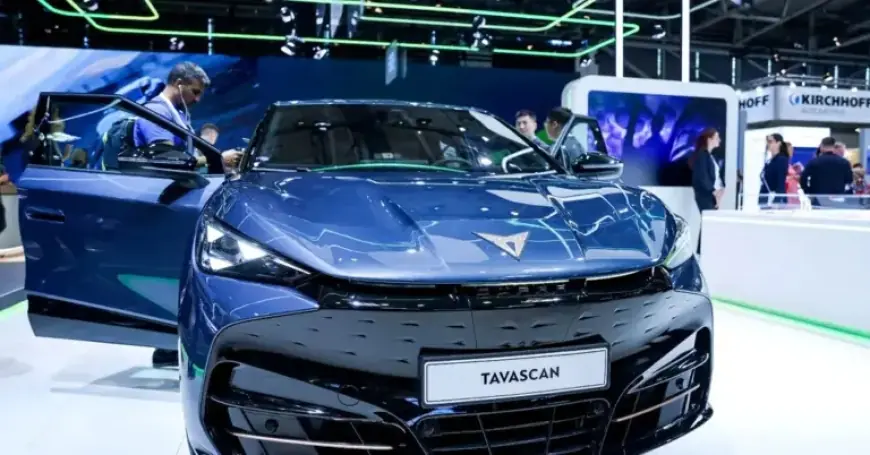
The recent announcement by the European Commission and China’s Ministry of Commerce marks a significant step in resolving the electric vehicle (EV) trade dispute. This guidance could potentially lead to the removal of tariffs on certain electric vehicles imported from China, particularly the Volkswagen Cupra Tavascan.
New Guidelines for Electric Vehicle Imports
The European Commission, which serves as the executive branch of the European Union, has initiated a framework allowing automakers to propose limits on the number of electric vehicles shipped from China to Europe. Under this new procedure, automakers must also establish minimum selling prices for these vehicles.
Incentives for Automakers
Any automaker that agrees to limit its electric vehicle imports and commits to these minimum price floors could be exempt from the anti-subsidy tariffs, which could reach up to 35 percent. These tariffs were implemented by the European Commission in late 2024.
- Volkswagen has already taken proactive steps by volunteering to restrict shipments of its Cupra electric vehicles from its Hefei factory in China.
- The company also set a non-disclosed minimum price for these cars when sold in Europe.
- In return, Volkswagen requested that the European Commission halt the collection of its 20.7 percent anti-subsidy tariff on the Cupra.
Challenges Ahead
Although this new procedure offers potential relief, it may take time before any arrangements come into effect. Each automaker’s proposal requires approval from both the European Commission and individual EU member states.
Olof Gill, a spokesperson for the European Commission, emphasized the organization’s willingness to explore alternatives to existing anti-subsidy duties. This approach stems from the need to establish stronger trade relations with markets beyond the United States, particularly as that market presents challenges for European exporters due to vast trade deficits.
Complications with China’s Position
China’s Ministry of Commerce maintains that automakers with factories in the country should negotiate collectively with the European Commission. They argue that individual proposals might lead to undesirable competition among automakers and weaken their bargaining power.
Lessons from the Past
European trade officials remain cautious about allowing automakers to set high minimum prices for their electric vehicles. This concern is rooted in past experiences, such as the 2013 agreement with Chinese solar panel manufacturers. That deal resulted in inflated prices, substantial profits for the solar industry, and the eventual decline of many European solar manufacturers.
As the situation unfolds, all eyes will remain on how this guidance will shape the future of electric vehicle trade between Europe and China. The potential reduction or removal of tariffs could significantly impact the European EV market.