

























Warning Issued to ‘Mugs’ Amid Rising Servo Prices

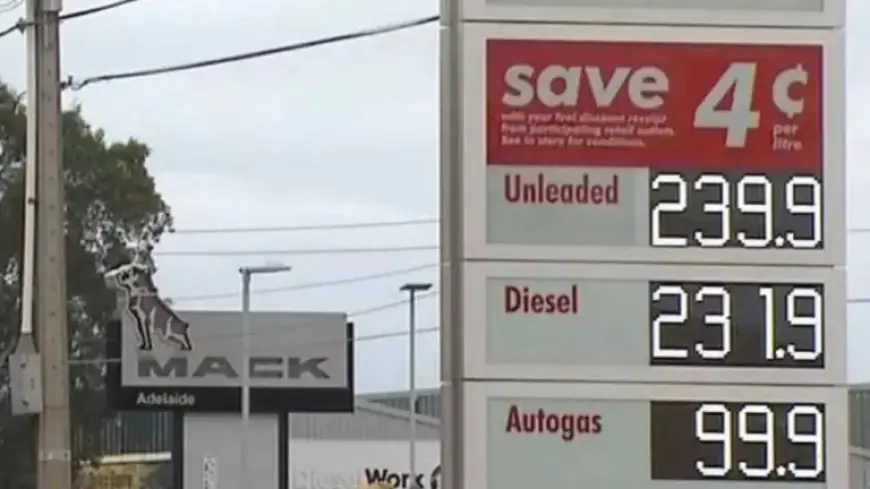
The rise in servo prices has drawn significant attention in Australia, prompting warnings from Treasurer Jim Chalmers. He emphasized that motorists should not be misled by fuel companies exploiting current geopolitical conflicts. Reports from the Royal Automobile Club of Queensland (RACQ) indicate that petrol prices may be unjustifiably inflated.
Concerns Over Rising Fuel Prices
According to RACQ, recent increases in petrol prices at service stations have raised red flags. Chalmers voiced his concerns, stating that the ongoing conflict in the Middle East should not serve as an excuse for price gouging at the bowser. He urged the Australian Competition and Consumer Commission (ACCC) to investigate these practices effectively.
Global Context of Rising Prices
The current state of global affairs has heightened economic anxieties in Australia. As the conflict involving multiple nations continues to escalate, the impact on oil and gas markets has become evident. Chalmers indicated that the duration of this conflict would significantly affect economic conditions both domestically and globally.
- 16 countries involved in the Iraq conflict
- Price hikes reported after the beginning of military actions against Iran
- Global oil prices experiencing upward pressure
Local Price Increases in Queensland
In Queensland, the RACQ has reported that recent petrol prices have climbed to as high as $2.19.9 per litre. Ian Jeffreys, principal economist for RACQ, questioned the validity of these increases, noting they do not align with wholesale price trends. This discrepancy has raised concerns about potential price gouging.
Impact on the Australian Economy
Despite the troubling news regarding fuel prices, some analysts suggest potential short-term gains for the Australian economy. Since military actions commenced, the Australian dollar has appreciated against the Euro by 1.4%. Australia’s status as a net energy exporter could play a role in this development while Europe, a key energy importer, relies less on Middle Eastern oil.
Disruption of Oil Supplies
The conflict has notably affected shipping routes, particularly the crucial Strait of Hormuz, which is vital for oil exports. Reports highlight a significant drop in tanker traffic, which has impacted global oil supply.
- 20% of global oil exports traverse the Strait of Hormuz
- Volume of trade through the Strait decreased from around 5.5 million metric tons to less than 1 million metric tons
- Potential delays in liquefied natural gas (LNG) flows from the Middle East
The current climate presents challenges and uncertainties for consumers and the economy. As the ACCC continues its oversight, the hope is to provide clarity and fairness in fuel pricing during these complicated times.