Intensified Rainfall Events Surge as Global Temperatures Rise

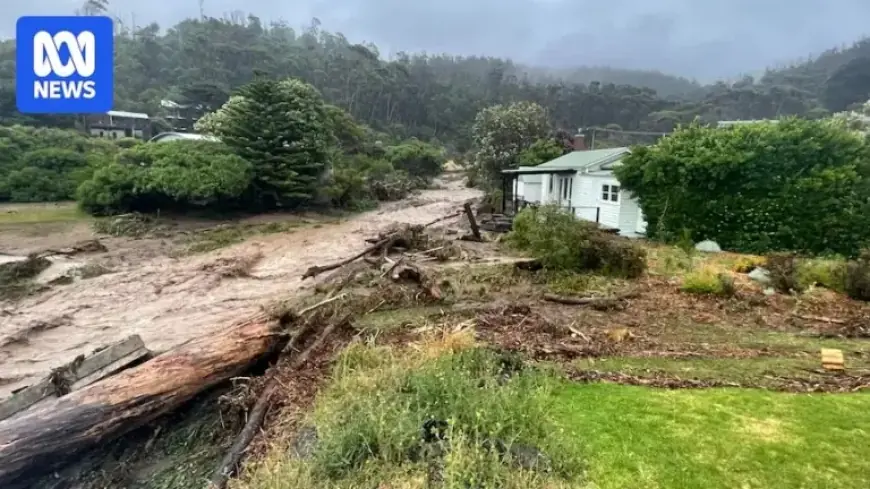
Recent weather events have highlighted the significant impact of rising global temperatures, particularly in the form of intensified rainfall as seen along Victoria’s Great Ocean Road. These communities experienced extreme rainfall that turned roads into rivers, with some areas recording up to 180 millimeters of rain within just six hours. Such deluges raise questions about the connection between climate change and these severe weather events.
Climate Change and Extreme Rainfall
Climate scientists are cautious when linking individual weather events to climate change. However, evidence suggests that extreme rainfall events are becoming more frequent and intense. Recent observations indicate that the heaviest daily rainfall events globally are now producing 8 to 9 percent more rain than they did before the pre-industrial era. This increase aligns with scientific principles that postulate a 7 percent rise in moisture capacity for every degree of warming.
Understanding Atmospheric Changes
The capacity of a warmer atmosphere to hold moisture significantly contributes to heavier rainfall. As global temperatures rise—approximately 1.4 degrees Celsius since pre-industrial times—the moisture content in the air increases, creating potential for more intense rain during storm events. University of New South Wales professor, Jason Evans, explains that although rainfall duration remains similar, the amount of water during these events is now higher.
Rainfall Variability and Flood Risks
Interestingly, the pattern of decreasing rainfall in some regions, like Perth, contrasts with the increase in rare, extreme rainfall events elsewhere in Australia. Professor Evans notes that while smaller rain events are becoming less frequent, larger events are intensified due to accumulated atmospheric energy. This complex dynamic indicates a significant change in rainfall distribution, leading to more substantial bursts of heavy rain.
The Landscape’s Role
Flood frequency and intensity are also affected by landscape conditions. The dryness of the land can absorb more rain, reducing the flooding effects. Over the last 50 years, periods of drought have become more common in some areas, leading to decreased streamflow into reservoirs despite wet winters. The rarest floods are intensifying, as enormous rainfall volumes overwhelm the soil’s capacity to absorb water, leading to significant flooding.
Global Trends and Infrastructure Challenges
The impacts of climate change are evident worldwide. A report by the Insurance Australia Group indicates that since 2020, extreme rainfall and flooding have affected every inhabited continent, resulting in considerable loss of life and property damage. Cities are particularly vulnerable to flash floods due to infrastructure that often fails to cope with rapid, intense rainfall.
- Intensified rainfall events linked to rising global temperatures.
- 8-9% increase in the heaviest daily rainfall events globally.
- Atmospheric moisture capacity rises 7% per degree of warming.
- Increased intensity of extreme floods poses risks to communities.
Compounding Factors in Weather Events
While climate change plays a critical role in increasing the intensity of rainfall, other factors such as ocean temperatures and weather patterns also influence individual weather events. This complexity often makes it challenging to directly attribute specific severe weather incidents to climate change alone.
As our world continues to warm, the frequency and intensity of severe weather events, including rainfall, will likely remain a pressing concern for communities globally. Understanding these trends is crucial for impact mitigation and future planning.