
























Senate Rejects War Powers Resolution 47-53 — House Votes Today

Congress just put itself on the record — and it is not stopping Trump's war with Iran. The Senate voted 47-53 Wednesday to reject the war powers resolution that would have required President Trump to seek congressional authorization to continue military strikes. The House votes today, Thursday March 5. Here is the full breakdown of every key player and what it means.
Senate War Powers Vote: 47-53, Resolution Fails
The measure failed in a 47-53 vote mostly along party lines Wednesday afternoon — the eighth war powers resolution brought to the floor that has failed since last summer.
Sen. John Fetterman of Pennsylvania was the only Democrat to join Republicans in voting no, while Sen. Rand Paul of Kentucky was the only Republican to join Democrats in voting yes.
The resolution, introduced by Sen. Tim Kaine of Virginia and co-sponsored by Paul, directed the president to remove U.S. Armed Forces from hostilities against Iran unless Congress explicitly authorized a declaration of war or a specific authorization for use of military force.
John Fetterman: The One Democrat Who Voted No
Fetterman told Fox News on Sunday: "It's not necessary. Honestly, though, the entire thing, it's really an empty gesture."
Pennsylvania's other senator, Dave McCormick, also voted against the resolution — meaning both Pennsylvania senators voted with the majority to defeat the measure. Fetterman has voted against every Iran war powers resolution since the June 2025 nuclear facility strikes.
Tim Kaine on the Senate Floor: "This Is War"
Kaine said in his floor speech before the vote: "You can't stand up and say this is a pinprick that doesn't lead to the level that would be characterized as war. This is war! The president of the United States has called it a war against Iran. The head of the Joint Chiefs of Staff has called it a war against Iran. Secretary Rubio has called it a war against Iran. It's a war."
Kaine said Americans want Trump to lower prices — not drag the U.S. into unnecessary forever wars — and that the Senate owed it to servicemembers and their families to vote. He said he could continue forcing votes in coming weeks and that colleagues who voted against the resolution could flip as the situation develops.
Republicans Block the Resolution: "Let Him Finish the Job"
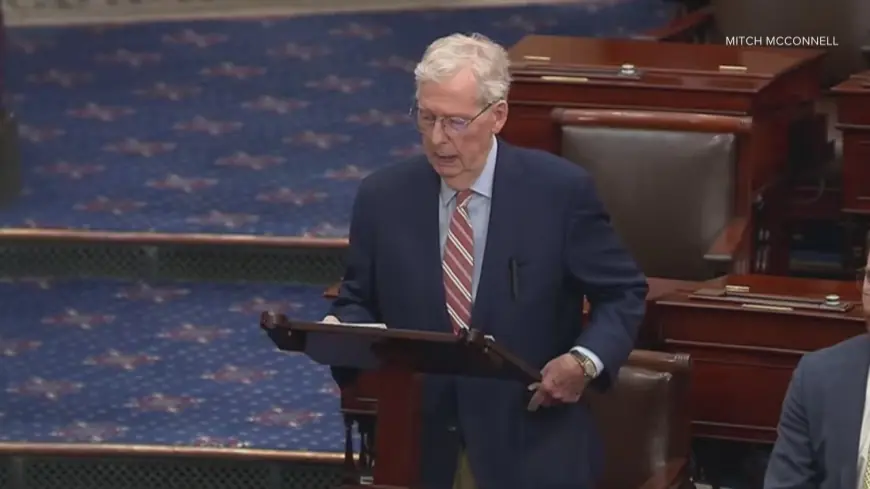
Sen. Lindsey Graham argued that adopting the resolution would handcuff Trump in the middle of a war and said adopting it would "set in motion a system where 535 people, after 60 days, become the commander in chief, grinding this nation's ability to defend itself to a halt."
Sen. Todd Young of Indiana, seen as a possible supporter who ultimately voted against it, said the danger from Iran would "only grow if we limit the President's military options at this critical moment."
Sen. Bill Cassidy said simply: "We're in there. And by the way I thought they just made a good case why we are. Right now we've got to support the troops."
Sara Jacobs and House Vote Today
Rep. Sara Jacobs, a member of the House Armed Services and Foreign Affairs committees, told constituents in an email that the Iran operation is "illegal and unauthorized by Congress." She wrote: "The Constitution is unequivocal: No president can unilaterally start a war," and confirmed she plans to vote yes on the House resolution today.
Jacobs said in a separate statement: "Trump promised to start no new wars, and then he turned around and started a regime change war in Iran. Only Congress can declare war, and yet we have not authorized this war, let alone received a proper intelligence briefing."
House Speaker Mike Johnson said Wednesday he believes the House has the votes to defeat the resolution and called the measure siding with "the enemy." House Democratic leader Hakeem Jeffries said he expected a strong Democratic showing in favor of the resolution.
Does Congress Have the Power to Stop Trump?
Even if both chambers approved a war powers resolution, the outcome would be largely symbolic — Trump could veto it, and a two-thirds majority in both chambers would be needed to override. The resolution's failure gives Trump implicit authorization to continue.
The 1973 War Powers Act requires presidents to notify Congress within 48 hours of deploying U.S. troops and seek congressional approval after 60 days. Trump sent a notification letter to Congress on Monday — days after ordering the strikes.
The House war powers vote is expected today, Thursday March 5, and is widely predicted to fail along similar party lines.