Funding MLK’s Dream: Turning Vision into Reality

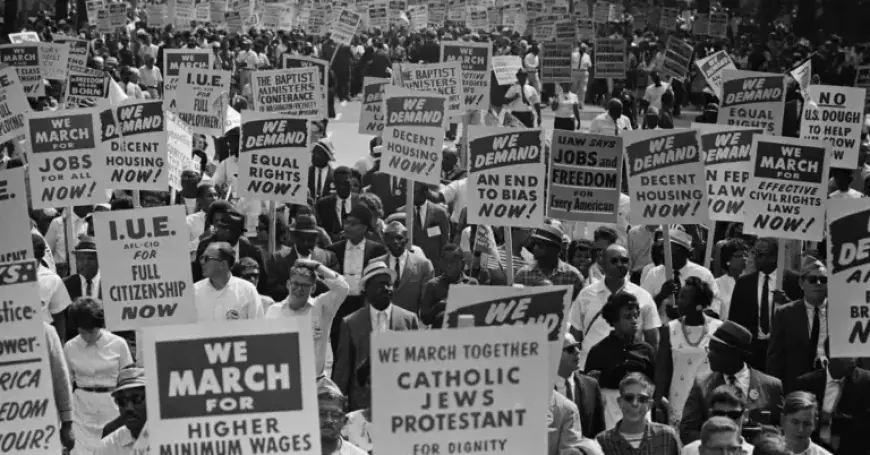
Funding MLK’s Dream: Turning Vision into Reality requires urgent action to address persistent economic disparities faced by Black Americans. Despite notable advancements in civil rights, wealth inequality remains stark. A 2022 Survey of Consumer Finances revealed that the median wealth of white households is over six times greater than that of Black households.
In 2024, African Americans secured only 0.4% of venture-capital funding for new businesses. This emphasizes Dr. Martin Luther King Jr.’s assertion that African Americans live “on a lonely island of poverty in the midst of a vast ocean of material prosperity.” This situation persists today, affecting marginalized communities both in the U.S. and worldwide.
The Economic Impact of Closing the Racial Wealth Gap
Addressing the racial wealth gap could potentially boost the U.S. economy by $1.5 trillion. This insight comes from a 2019 McKinsey report, which highlights the broader economic benefits of achieving equity. However, closing these gaps necessitates providing resources and pathways for sustainable wealth creation.
Equitable Systems and Sustainable Wealth
Dr. King’s vision of equality cannot be realized without establishing equitable systems. We need to invest in communities that lack access to resources, especially during the current AI-driven economic evolution. Historically, during previous economic waves, such as the Industrial Revolution, minority groups were often marginalized or exploited.
To foster inclusion in the AI era, leaders must critically evaluate their contributions to fulfilling King’s dream. By ensuring that historically Black colleges and universities (HBCUs) are equipped to nurture future leaders in AI innovation, we can pave the way for significant change. Unfortunately, as of 2021, 82% of HBCUs were situated in areas lacking reliable internet access, known as broadband deserts.
Initiatives and Resources for Change
Organizations like the Student Freedom Initiative serve as examples of progress in bridging these gaps. The World Economic Forum’s EDISON Alliance has engaged over a billion people digitally, laying essential groundwork for further advancements.
- HBCUs need: Enhanced resources for AI education.
- Underserved communities require: Access to computing power and capital to harness AI tools effectively.
Community Development Finance Institutions (CDFIs), vital in connecting underserved communities to the financial system, often face resource deficiencies. The Southern Communities Initiative is actively working to enhance the technological capacity of these institutions, which will facilitate broader economic participation.
Creating Opportunities Across All Levels
To foster inclusion, it is essential to provide more pathways into the economy, from internships to corporate board positions. This generation has unprecedented access to data, revealing what strategies are effective in fostering economic equity.
Dr. King poignantly stated that “justice too long delayed is justice denied.” The time has come for collective action to honor his legacy and fulfill the promise of equality through tangible support and funding for historically marginalized communities. The work continues, and it is our collective responsibility to ensure that MLK’s dream transforms into reality.
We must all commit to being part of the solution, leveraging resources, and creating opportunities that promote equity and resilience for future generations.