Apple’s Foldable iPhone May Feature Liquid Metal and Enhanced Titanium

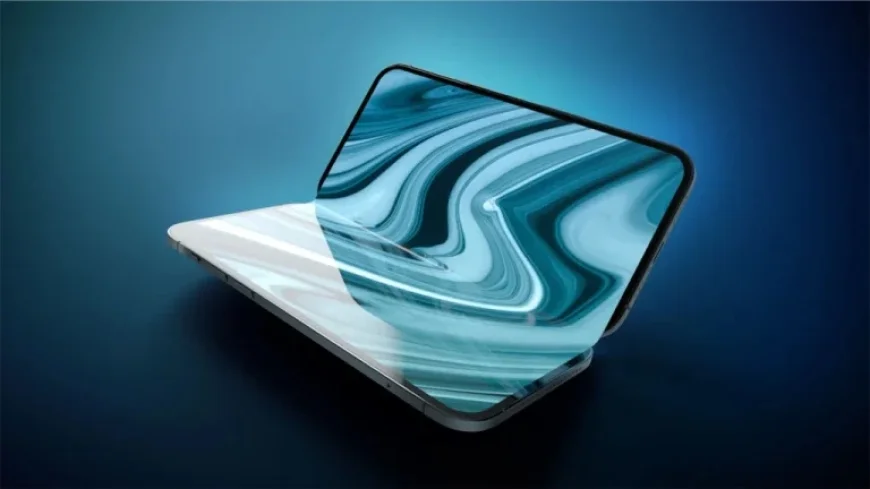
Apple is gearing up for a significant innovation with its first foldable iPhone, potentially incorporating advanced materials like liquid metal and enhanced titanium. This information comes from recent supply-chain insights, particularly from the Korean source known as “yeux1122.”
Advanced Materials for the Foldable iPhone
The hinge of the upcoming foldable device is expected to utilize liquid metal. This amorphous material has been under Apple’s exploration for more than 15 years and is aimed at providing durability and flexibility.
Liquid Metal Characteristics
Liquid metal’s unique properties include:
- High strength
- Resistance to permanent bending
- Durability under repeated mechanical stress
Such attributes make it particularly suitable for hinges and moving parts in foldable devices. Apple’s history with liquid metal dates back to a 2010 agreement with Liquidmetal Technologies for exclusive rights to the material for consumer electronics.
Enhanced Titanium Alloy for Structure
The main body of the foldable iPhone is expected to feature a revised titanium alloy. This new material aims to enhance strength while reducing overall weight, especially compared to traditional titanium frames used in prior iPhones.
Titanium’s Benefits
Titanium offers several advantages:
- Superior strength-to-weight ratio compared to aluminum and stainless steel
- Improved performance in larger, foldable designs
Apple has reportedly made several iterations on the titanium alloy, focusing on optimizing its composition to meet the requirements of foldable technology.
Release Date and Features
The foldable iPhone is anticipated to launch in the fall, coinciding with the introduction of the iPhone 18 Pro and iPhone 18 Pro Max. Speculated features include:
- A 7.8-inch inner display
- A 5.5-inch outer display
- A crease-free display
- The A20 chip and Apple’s C2 modem
- Two rear cameras
- Touch ID
This foldable iPhone could mark a transformative step in Apple’s design philosophy, merging usability with advanced materials tailored for durability and performance.