GOG Embraces Indie Game Publishing After Gaining Independence from CD Projekt Red

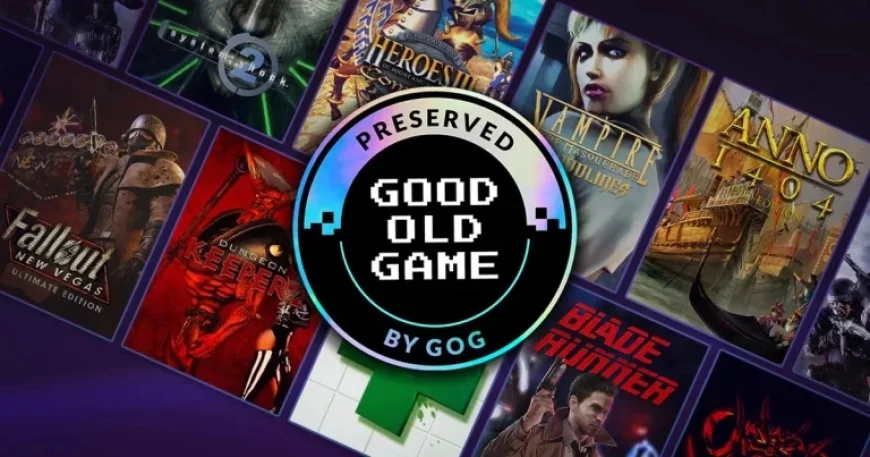
After gaining independence from CD Projekt Red, GOG is pivoting towards indie game publishing. This shift marks a new chapter for the digital game shop, which has focused on classic game restoration and selling recent titles for 17 years.
New Direction for GOG
Michał Kiciński, the newly appointed owner of GOG, announced the intention to explore indie game publishing. “One of the directions that was not very possible in the past is evolving GOG more into a publishing business,” said Kiciński. He is also the co-owner of Retrovibe, a publisher known for retro-themed games like Project Warlock and Shardpunk.
Previously, GOG had limitations in advancing its publishing arm due to its affiliation with CD Projekt Red. “At CD Projekt Red, all publishing activities were connected with their own games,” Kiciński explained. The separation now allows GOG to pursue publishing opportunities that were previously constrained.
Background and Transition
GOG was part of CD Projekt, which has now shifted its focus to game development. This change necessitated GOG’s sale last year. Kiciński, one of GOG’s founders, noted that deciding to break away from CD Projekt Red was significant, given the latter’s prestige in the gaming industry.
- Previous affiliation with CD Projekt Red limited GOG’s publishing capabilities.
- The company is now privately owned by Michał Kiciński, simplifying decision-making.
- GOG’s focus on restoring classic games and selling DRM-free titles remains unchanged.
Strategic Advantages
GOG’s new independent status allows for quicker, riskier decisions without investors to influence direction. Kiciński mentioned, “The decision-making process is super easy” in a privately owned setup. The company also retains a beneficial six-year deal with CD Projekt Red, ensuring favorable terms for their collaboration.
Maciej Gołębiewski, GOG’s managing director, acknowledged the complexities that arose from being part of a larger organization. The streamlined structure now enables GOG to capitalize on its agility. “A small and nimble company,” he said, can better manage risks and execute decisions swiftly.
Future Prospects for GOG
No immediate drastic changes are planned for GOG. The focus will remain on its core philosophy of restoring old games and maintaining a DRM-free environment. Kiciński expressed a commitment to building upon GOG’s unique market position and its loyal customer base.
As the company embarks on this new journey, discussions on potential indie game publishing are underway. Kiciński emphasized the importance of refining the strategy while enhancing existing operations. “We have a big appetite for the growth of GOG,” he stated, setting a positive tone for the future.