California Tycoon Condemns Larry Page and Sergey Brin for Evading State Wealth Tax

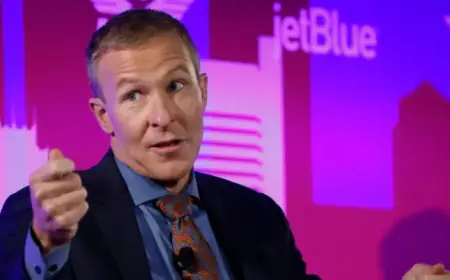
Recent discussions in California have ignited debates surrounding the proposed billionaires’ wealth tax, drawing responses from both critics and supporters within the billionaire community. Following this discussion, Dave Nixon, a former healthcare executive, has publicly declared his support for the 2026 Billionaire Tax Act. This initiative seeks to impose a one-time 5% tax on residents with net worth exceeding $1 billion.
Overview of the 2026 Billionaire Tax Act
The 2026 Billionaire Tax Act aims to generate approximately $100 billion by taxing extreme wealth. The proposed tax revenue is expected to be allocated as follows:
- 90% towards healthcare programs
- Remaining funds directed towards education, food assistance, and tax administration
Nixon’s Position and Criticism of Wealthy Residents
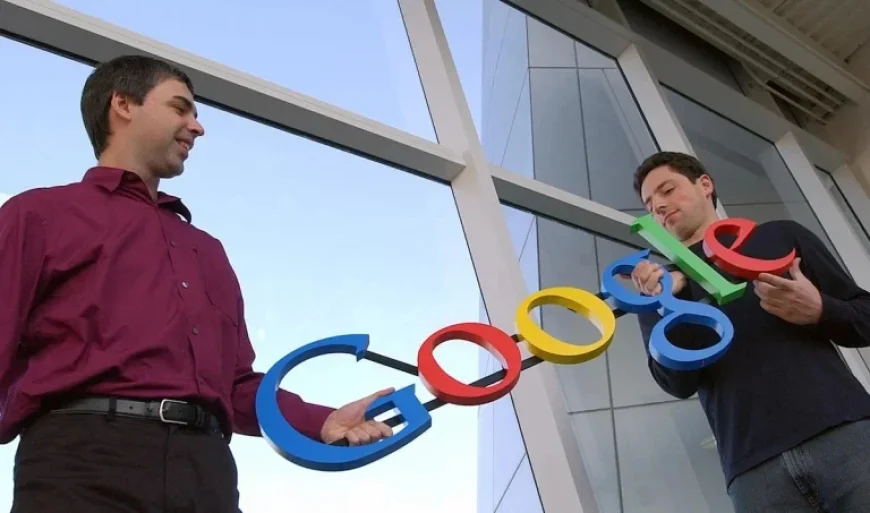
Nixon, who relocated from Florida to Pasadena in 2022, co-founded Patriotic Millionaires, a group advocating for a fairer tax system. He has criticized wealthy individuals like Google founders Larry Page and Sergey Brin who consider leaving California due to high taxes, stating it reflects a “sickening and greedy” mentality.
According to Nixon, the notion that higher taxes drive billionaires away is a myth. He maintains that California’s higher taxes contribute to maintaining a strong infrastructure in essential services such as education and healthcare—areas he feels are inadequate in states like Florida.
Reactions from Other Billionaires
California’s billionaire class remains divided regarding the wealth tax. While some, like venture capitalist Peter Thiel and the Google co-founders, contemplate relocating to Florida, others, such as Nvidia CEO Jensen Huang, express their commitment to stay despite potential tax hikes.
Healthcare Costs and Economic Disparities
Maureen Kennedy, another member of Patriotic Millionaires, echoes Nixon’s sentiments, emphasizing the urgent need for tax revenues to sustain healthcare and education systems. In recent years, healthcare expenditures have risen significantly, with a 7.5% increase from 2022 to 2023, while average wage growth lingered at only 4.43%.
Looking ahead, employers anticipate a further 9% increase in healthcare costs by 2026 unless measures are taken to curb expenses. Additionally, approximately 3.4 million Californians are projected to lose access to MediCal due to recently implemented budget cuts.
Tax Distribution and Comparison
Statistics show a disparity between tax rates for billionaires and the broader population. From 2018 to 2020, billionaires faced an average tax rate of 24%, compared to 30% for the general populace and 45% for high-income earners. This discrepancy raises questions about equitable tax contributions among different income classes.
Conclusion: The Path Forward
As California navigates its fiscal future, the proposed billionaire tax stands as a pivotal measure to address growing inequities in healthcare and other essential services. Advocates believe that ensuring billionaires contribute fairly to state revenues is crucial for maintaining the quality of life in California.