Trump Allegedly Aims to Halt $2 Billion Medicaid Payments, State Claims Fraud Twist

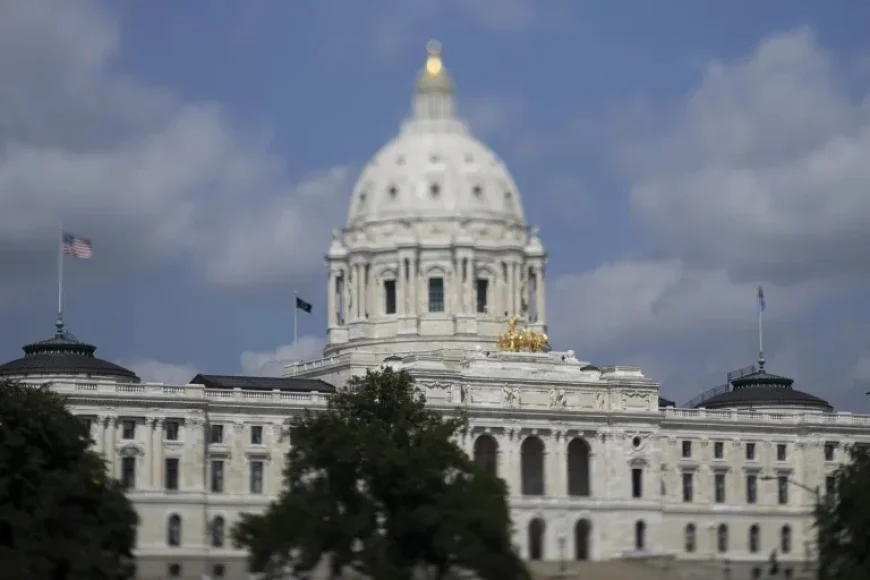
In a significant financial shift, the Trump administration intends to withhold more than $2 billion in Medicaid funding from Minnesota. This decision, communicated to state officials, may impact 13 programs that have been flagged for potential fraud. John Connolly, the director of Minnesota Medicaid, confirmed at a press conference that the U.S. Centers for Medicare and Medicaid Services (CMS) plan to cut quarterly payments of $515 million.
Overview of Medicaid Programs Affected
The funding freeze targets programs identified as high-risk for fraud, including those supporting adults with disabilities and transportation for non-emergency medical appointments. It is believed that these services absorb approximately $3.75 billion in combined state and federal taxpayer resources each year.
- Over $2 billion in Medicaid funding to be withheld.
- 13 programs identified for high fraud risk.
- Monthly payment cessation of $515 million.
State Response and Appeals
Connolly labeled the federal decision as “legally deficient” and expressed intentions to appeal through an administrative hearing with CMS. He noted that the state is unsure whether the entire amount would be frozen or if a portion could eventually be reinstated based on the results of ongoing audits.
Amid this pending decision, Minnesota’s Department of Human Services has not initiated legal action to recover the withheld funds. Instead, they seek to clarify the federal stance through proper channels.
Relation to Broader Medicaid Reforms
The implications of these funding cuts resonate deeply, as Medicaid serves around 1.2 million residents of Minnesota. The programs under scrutiny are part of a broader examination led by Gov. Tim Walz, who emphasized the state’s commitment to address Medicaid fraud seriously.
Additionally, while these developments unfold, Minnesota has been engaged in a separate legal battle concerning child care payments, which are not related to the Medicaid funding issues.
Future Outlook
The withdrawal of Medicaid payments could lead to prolonged bureaucratic disputes or litigation, affecting providers and patients involved in these crucial programs. Connolly indicates a necessity for ongoing cooperation with federal agencies to facilitate corrective actions. The outcome of these proceedings will have significant ramifications on Minnesota’s Medicaid landscape.