SCOTUS Hearing Poised to Shift Culture War on Trans Athletes in Women’s Sports

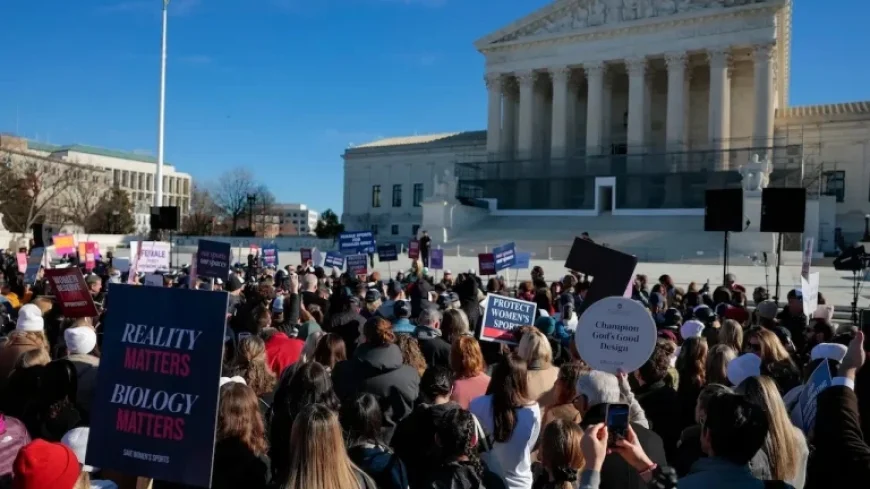
The ongoing legal battle over transgender athletes in women’s sports is set to be fundamentally reshaped by a recent U.S. Supreme Court hearing. On January 13, 2026, the Court engaged in lengthy discussions regarding state laws preventing transgender women from competing in school athletics. This significant moment saw heated protests outside the courthouse, representing contrasting views on this contentious issue.
Key Events at the Supreme Court Hearing
Trained military personnel were stationed atop the Supreme Court, ensuring security as protests erupted outside. Activists wearing various colors and slogans clashed verbally with demonstrators supporting transgender rights, illustrating the passionate divide among the public. The outcries included chants and slogans from both sides, signifying the gravity of the debate surrounding transgender athletes.
Case Background and Legal Arguments
- Case Name: Hecox v. Little
- Filing Year: 2020
- Current Status: Arguments being reviewed by the Supreme Court
Attorneys representing transgender athlete Lindsay Hecox requested that her case be dismissed as moot. They argued that the initial lawsuit, which allowed Hecox to compete on Boise State’s women’s cross-country team, should no longer proceed since higher courts are reviewing similar laws.
However, a significant claim by Hecox’s legal team came under scrutiny. An admission was made regarding Hecox’s graduation timeline, suggesting she might not be able to complete her degree by May 2026 as previously stated. Idaho officials disputed this claim, asserting it was unlikely for her to graduate on time.
Contrasting Perspectives on “Sex” Definition
- ACLU’s Position: Argued against defining “sex” strictly in biological terms.
- Supreme Court Response: Chief Justice John Roberts challenged this position, indicating the necessity for a clear definition.
During the hearings, ACLU attorney Joshua Block urged the Court to avoid a rigid definition of sex. Nevertheless, under questioning from Chief Justice Roberts, Block conceded that biological definitions might apply specifically to this case.
Wider Implications of the Hearing
The case extends beyond just Hecox, as demonstrated by proceedings related to West Virginia’s law prohibiting transgender girls from participating in girls’ sports. Activists and influencers have gathered, amplifying their calls for fairness in athletic competitions.
Following the hearings, many advocates expressed optimism about the outcome. Idaho Attorney General Raul Labrador noted a favorable reception from the Court, indicating that a decision could pave the way for states to reinforce laws banning biological males from women’s sports.
Public Response and Cultural Shift
The scale of the protest indicated a growing movement, with Dorothy Sey, co-founder of XX-XY Athletics, reporting an uptick in brand ambassador applications from college athletes. This newfound momentum suggests a shift in public sentiment regarding women’s rights in sports.
Participants from previous hearings recounted their experiences, highlighting the emotional weight of the testimonies presented, particularly regarding allegations of harassment. These narratives served to underscore the complexities of the current cultural debate.
Looking Ahead
With a ruling expected by summer 2026, the implications of this case are vast, likely setting new precedents in sports law. As discussions evolve, both sides remain steadfast in their beliefs, anticipating how the Supreme Court’s decision will impact transgender athletes and women’s sports.