Unlocking Self-Understanding Through Building Your Own Robot

The exploration of self-understanding through robotics opens a new frontier in both philosophy and technology. Our perception of self is a complex interplay, incorporating physical, psychological, and social dimensions. This article delves into how constructing robots with self-representational capabilities can illuminate our own understanding of selfhood.
Defining the Self: Philosophical Foundations
William James, a prominent psychologist, highlighted the dual nature of the self, comprising both the ‘perceiver’ and the ‘perceived.’ This duality poses the question: what truly constitutes our self-identity? Despite years of exploration, answers remain elusive. Current debates are fueled by advancements in generative artificial intelligence, prompting inquiries into whether these entities could develop a sense of self akin to humans.
The Role of Robotics in Understanding Selfhood
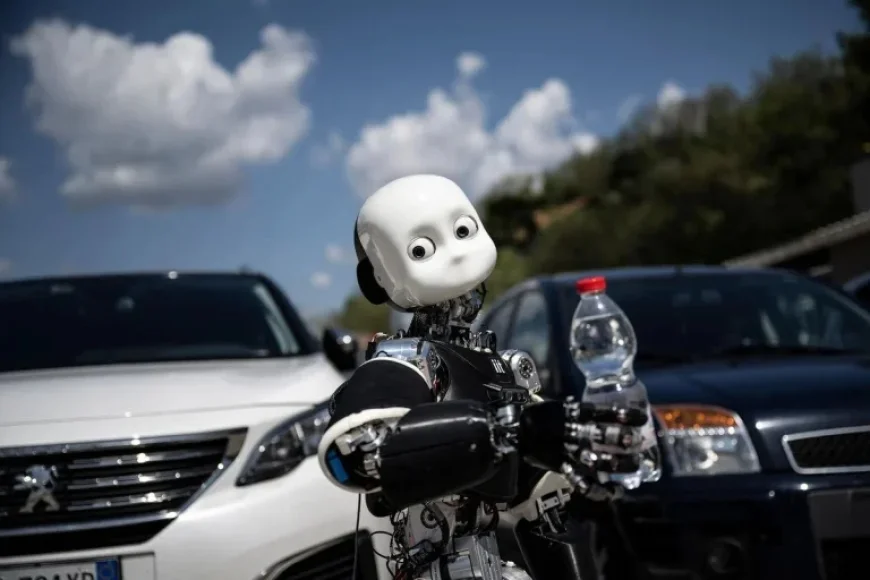
To unlock the secrets of self, researchers are turning to robotics. The hypothesis is that building robots with a physical body can help synthesize an understanding of self. Robots equipped with sensory capabilities can begin to differentiate between ‘me’ and ‘not-me,’ akin to early human development. This capacity is critical for establishing a minimal self model.
Key Components of the Minimal Self
- Embodiment: Physical bodies create a boundary for self-perception.
- Agency: The ability to act and influence one’s environment reinforces a sense of self.
- Body Ownership: Recognizing one’s body as separate from the external world is fundamental.
Robots learn about their own embodiment through processes similar to human motor development, such as ‘motor babbling.’ This involves random movements that help the robot conceptualize its physical structure. Similar behaviors are observed in infants, who learn to distinguish between self and non-self through sensory experiences.
Building Synthetic Selves
Roboticists are employing advanced techniques, such as neural networks and genetic algorithms, to simulate self-recognition and agency. Researchers have demonstrated that robots can evolve their understanding of their morphology and modify behaviors based on learned experiences.
Experiments Illustrating Self-Recognition
- Double Touch Sensation: Robots equipped with tactile sensors can learn through self-touch to differentiate their own body from external objects.
- Visual Feedback: Experiments using visual inputs allow robots to create a self-model by correlating movements with changes in visual data.
The Complexity of Adult Selfhood
While the minimal self provides foundational understanding, the adult sense of self is vastly more complex. It involves concepts of persistence over time and the ability to reflect on one’s own identity. Developmental psychology indicates that children develop a concept of self that is tied to their growing understanding of time and memory.
Implications of Synthetic Self Models
The synthetic approach in robotics offers valuable insights into the nature of selfhood. By reconstructing elements of the human self in artificial systems, we can examine the underlying mechanisms that define personal identity. This intersection of philosophy, cognitive science, and robotics invites a reevaluation of what it means to have a self, encouraging deeper hypotheses about consciousness and agency.
Future Directions in Robotics and Self-Understanding
The journey towards understanding the self is ongoing. With continued advancements in robotics, researchers aim to unravel the complexities associated with self-identity. By leveraging synthetic models, there is potential to bridge the gaps between human experience and artificial creation, paving the way for more profound philosophical insights.