

























Greece Rejects Biometric Entry for Brits, Sparks EU Showdown

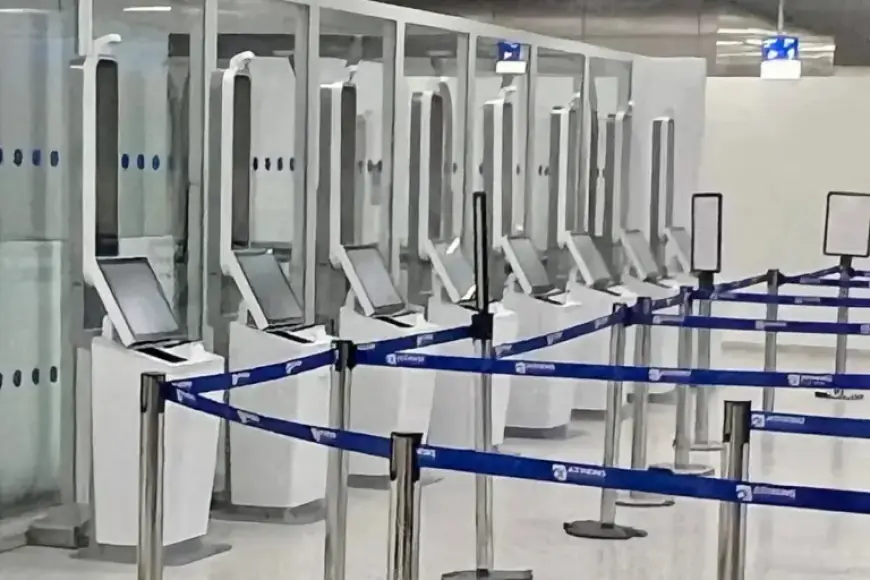
Greece has announced that it will not require British travellers to submit fingerprints or facial biometric data at some border points this summer. The declaration diverges from the EU’s planned rollout of a fully digital entry-exit system. The move immediately raised questions in Brussels and across the travel sector.
What Athens has changed
The Greek Embassy in London said on social media that British passport holders will be exempt from biometric registration at certain Greek border crossing points. Greek officials say passports will continue to be checked manually and stamped. Authorities will scan and record passport data instead of collecting fingerprints and facial images.
EES kiosks have been installed at Athens airport and will serve many non-EU visitors. Americans and Australians, for example, may still be directed to those kiosks. British arrivals will not use the kiosks where the exemption applies.
Officials’ explanation
Eleni Skarveli, director of the Greek National Tourism Organisation in the UK, told Filmogaz.com the policy aims to keep arrivals smooth. She said the practical outcome is that pre-EES entry procedures will largely remain in place for Britons.
EU response and legal limits
The European Commission said it has contacted Greek authorities for clarification. Brussels warned that the legal framework allows only limited and temporary suspension of biometric collection. Such measures are allowed at specific crossing points during exceptional disruptions.
The Commission emphasised that blanket exemptions for nationals of particular third countries are not foreseen. It noted the system functions well in the majority of member states and expects compliance with the agreed timetable.
Timeline and member state commitments
Brussels set a deadline of 10 April for all Schengen frontiers to start collecting fingerprints and facial biometrics from third-country nationals. The project has been under development for about a decade. According to the Commission, 29 Schengen area states agreed to the schedule.
Impact on travellers and airports
Long passport-control queues have disrupted travel in other countries. Italy and Spain have experienced delays that led some passengers to miss flights. Greek officials argue the exemption will prevent similar congestion for UK visitors.
Airports in Greece are expected to open dedicated lanes for British arrivals at busy terminals. Other third-country nationals will be processed under the standard EES rules.
What comes next
Brussels and Athens are in talks to resolve the dispute. The Commission may accept short-term, targeted exceptions during peak pressure. It has made clear extended, country-wide exemptions would breach the current legal framework.
- Deadline for biometric collection under EES: 10 April.
- Project duration: approximately ten years of development.
- Number of Schengen area states that signed the schedule: 29.
- Most British travellers visit Greece compared with other non-European nationals combined.
The policy shift has prompted widespread attention. Observers describe the episode as an EU showdown over border rules and tourism flows. Greece rejects biometric entry for Brits, EU showdown discussions now centre on how to balance security and efficient arrivals.