
























Iran-US Tensions Rise as Tehran Responds to Trump’s Warning

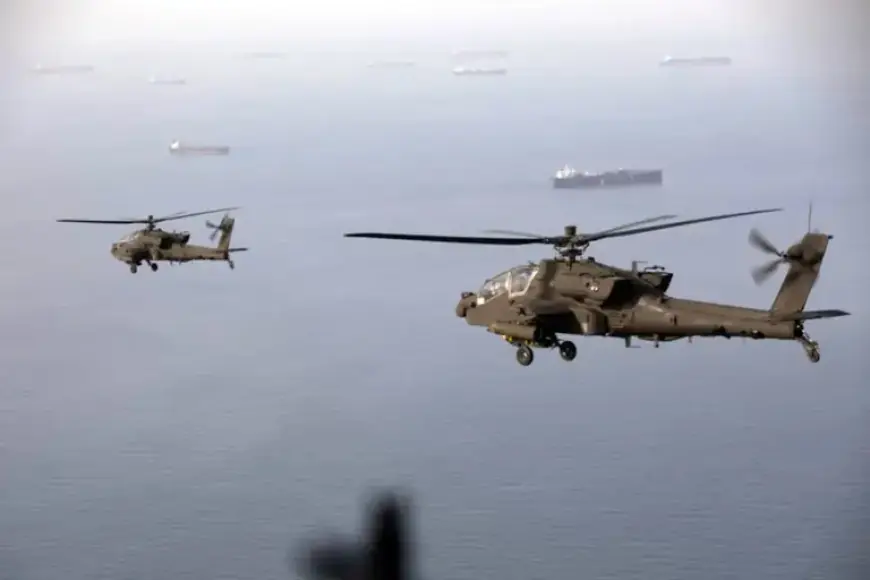
Iran has reasserted control over the Strait of Hormuz after firing on vessels attempting to transit the waterway. Tehran says it will continue to restrict passage while the United States maintains a maritime blockade of Iranian ports.
Incidents in the strait
On 18 April 2026, two India-flagged ships reported coming under fire and turned back. The United Kingdom Maritime Trade Operations reported Revolutionary Guard gunboats had fired on a tanker, which was later described as safe.
The Revolutionary Guard navy declared the strait closed until the US blockade ends. Iranian officials also warned commercial traffic to avoid transit for the time being.
Diplomatic and military responses
India summoned Iran’s ambassador in New Delhi and expressed grave concern over the attacks on Indian-flagged vessels. US Central Command said American forces were enforcing a maritime blockade of Iran.
Mohammad Bagher Qalibaf, Iran’s parliamentary speaker and chief negotiator, backed the blockade stance. Iran-US Tensions Rise as Tehran Responds to Trump’s Warning, analysts say, after Washington condemned the move as “blackmail.”
Negotiations and ceasefire context
Senior US and Iranian negotiators met last weekend in Islamabad but left without agreement. Washington proposed a 20-year suspension of Iran’s nuclear work, while Tehran offered three to five years.
Saeed Khatibzadeh, Iran’s deputy foreign minister, said no date is set for further talks. A framework must be agreed first, he added, as a fragile ceasefire window nears expiry.
Shipping and energy impact
The Strait of Hormuz normally carries about one-fifth of global oil shipments. The resumption of hostilities risks tighter supply and renewed price pressure.
Hundreds of vessels remain anchored in the Gulf, with around 20,000 seafarers awaiting safe passage. Markets briefly rallied when transit prospects improved, but the situation remains fragile.
Regional human cost
The wider conflict has produced heavy casualties across the region. Reports cite roughly 3,000 deaths in Iran and nearly 2,300 in Lebanon, along with 23 in Israel and more than a dozen in Gulf Arab states.
Thirteen US service members have also been reported killed. Israeli forces announced multiple soldier deaths in southern Lebanon during the same period.
Filmogaz.com will continue to monitor developments and report new information as it becomes available.