
























Irish Census 1926: Mount Juliet Heist and Malahide Murders Shock Nation

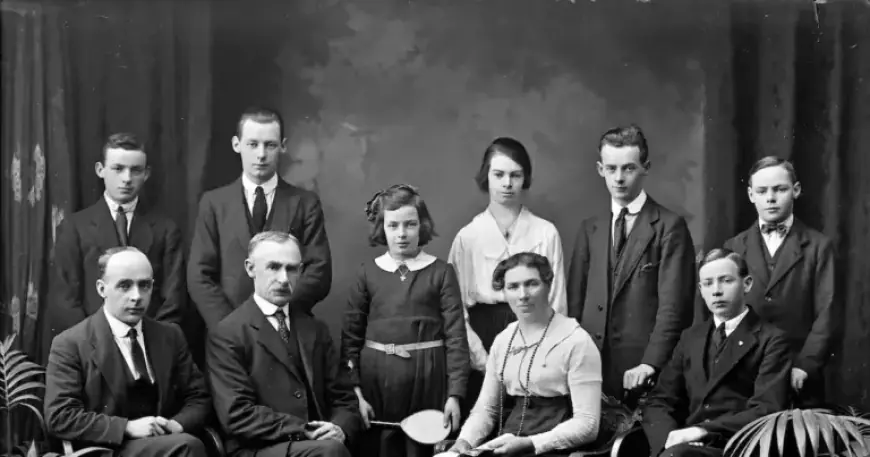
The national census took place on April 18, 1926. It was the first census held in the Irish Free State in 15 years.
Headlines and high-profile crimes
The weekend brought shocking criminal stories that dominated newspapers. A reported £20,000 jewel theft at Mount Juliet estate in County Kilkenny made front pages.
The La Mancha house killings in Malahide, County Dublin, left six people dead. Coverage of that episode fuelled the headline Malahide Murders Shock Nation.
International and local alerts
Authorities issued arrest warrants in Paris linked to narcotics trafficking. Allegations of communist activity were reported after a Dublin political meeting.
Elsewhere, Munich fined littering offenders. Alberta recorded road-traffic fatalities that weekend.
Sport, theatre and public entertainments
On April 17, Bohemians beat Shelbourne in the Leinster Challenge Cup. Horse racing took place at Leopardstown that day.
A charity hockey match in south Dublin featured players wearing skirts. The Theatre Royal staged Verdi’s Il Trovatore on April 18.
City life and parades
A parade of Irish-made motor cars was scheduled along Abbey Street on Saturday. Clerys ballroom advertised a dance from 8pm until midnight.
Commerce, advertising and consumer culture
Newspaper pages were full of adverts for department stores such as Clerys, Switzers and Shaws. A Waterford “shopping week” was promoted for May 1926.
The Hughes brothers of Hazelbrook farm began promoting HB ice cream, first produced in 1926. Popular brands advertised widely, including Fox’s Glacier Mints and Lipton’s Tea.
Travel, transport and motoring
Ferry timetables linked Dublin with Britain. Betting odds and package trips to the FA Cup final at Wembley were offered.
The Irish Travel Agency on Suffolk Street marketed a trip to the Eucharistic Congress in Chicago in June 1926. Dunlop announced a 10% tyre price cut on April 17.
Politics, budget and public policy
The Free State budget was unveiled on April 20, 1926. Ministers worked under tight financial limits when framing spending plans.
The government kept duties on beer and spirits unchanged. Bookmakers received a concession via a lowered betting tax.
Census organisation and publicity
Officials ran an extensive information campaign before census night. Civic and religious leaders were asked to promote participation.
Teachers received instructions to explain the census in schools. The new radio station 2RN broadcast guidance the night before and on the night itself.
Weather, oddities and social notes
Snow fell across parts of Ulster on April 16. Forecasts predicted westerly winds and occasional thundery showers for April 17.
Locals in Monaghan reported sightings of a large badger, sparking rumours of a roaming bear. Daily life mixed the ordinary with the bizarre.
Cultural life and the arts
The silent cinema remained popular. The Irish film Irish Destiny opened on March 24, 1926.
Publishers ran serials from authors such as Hulbert Footner. A committee on “evil literature” formed in February to monitor allegedly indecent publications.
Music and personal traces
Gramophones made popular music more accessible in towns and villages. Irving Berlin’s waltz Because I Love You proved popular in recordings.
A lyrical scrap was even scribbled on a census form in the Ranelagh suburb. Such marginalia offer a human glimpse into census night.
Notable contemporaneous events
- Violet Gibson’s attempted assassination of Benito Mussolini occurred on April 7, 1926.
- There were 131 reported motor-vehicle deaths in the Irish Free State in 1926.
- Following tyre price cuts, car sale taxes were also reduced in the subsequent budget week.
How the weekend is remembered
The Irish Census 1926: Mount Juliet Heist and many other stories show how a single weekend reflected wider social change. Newspapers captured crime, culture, commerce and politics together.
Filmogaz.com consulted contemporary reports and archival material to summarise that vivid snapshot of life in April 1926.