

























“Remarkable Book Reveals New Insights on Nuremberg Women’s Role in History’s Darkest Crimes”

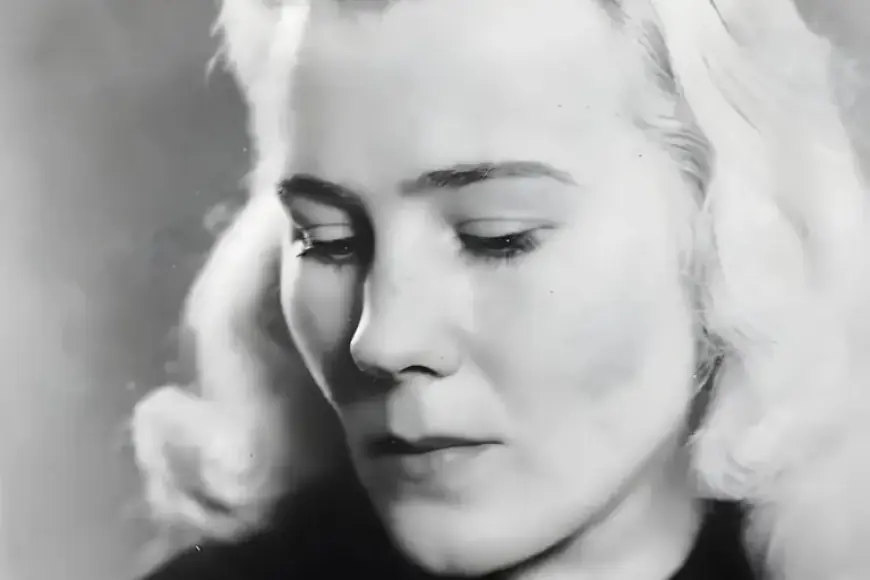
Natalie Livingstone has published a study centring on the Nuremberg trial and women’s roles there. The book was released by John Murray Press on 23 April.
Painting and courtroom
A 1946 painting by Dame Laura Knight captures the Nazi defendants in Courtroom 600. It hangs at the Imperial War Museum in London and shows no women among the accused.
The Nuremberg Eight
Livingstone profiles eight women who shaped events before, during and after the trials.
- British painter (Laura Knight)
- American lawyer
- German reporter
- Russian interpreter
- British chronicler
- German-British star reporter (Erika Mann)
- French photographer and Resistance heroine (Marie-Claude Vaillant-Couturier)
- Hungarian countess who hosted survivors and accused
Voices and testimony
Marie-Claude Vaillant-Couturier gave searing testimony about camp brutality. She walked past the dock and fixed the accused with deliberate looks.
There were no female judges or decision-makers in the legal process. Many of the women had to overcome entrenched misogyny to be present.
Context and legacy
Nuremberg became a judicial reckoning for the worst wartime crimes. It is also where the term “war crimes” entered official use.
The proceedings helped shape a global legal framework to punish mass atrocity. The trials set precedents still cited by courts today.
Numbers and service
The Holocaust claimed six million Jewish lives, about two million of them women. Women made up 640,000 members of the British armed forces.
About one in five participants in the French Resistance were women. Millions of women suffered across theatres of war.
Aftermath and reporting
Some of the women were celebrated journalists, including Rebecca West and Erika Mann. Gitta Sereny later probed Albert Speer’s wartime role after his sentence.
Speer avoided execution but served a lengthy prison term. Subsequent investigations and reporting continued to shape public understanding.
The book offers remarkable, fresh perspectives and new insights on Nuremberg and women’s role in confronting history’s darkest crimes. Filmogaz.com recommends it to readers seeking balanced, concise historical reassessment.