






















California Seeks to Penalize Journalism, Shielding Fraud

A California bill in the Legislature would let publicly funded organizations demand removal of videos filmed in public. It would also authorize heavy financial penalties against those who publish such footage.
What AB 2624 would change
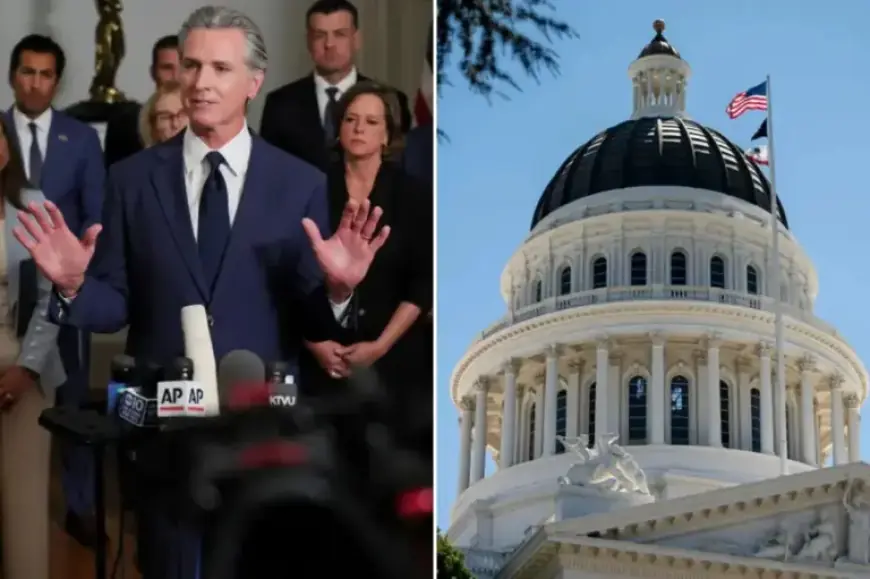
AB 2624 is sponsored by Assemblywoman Mia Bonta of Oakland. The measure extends confidentiality and anti-doxxing protections to “immigration support services providers.”
The bill builds those protections onto statutes originally aimed at narrow, high-risk medical settings. Critics say the language is broad and vaguely bounded.
Scope and enforcement
The proposed law would let qualifying organizations invoke legal protections to remove footage. It could also expose the person who filmed or posted the material to monetary penalties.
Because the protections apply to groups that can plausibly claim to serve immigrants, the shield could reach entities that receive public funds.
High-profile catalyst
Opponents have nicknamed the bill the “Stop Nick Shirley Act.” Nick Shirley is a 24-year-old YouTuber from Utah.
Shirley drew attention for videos alleging fraud in day cares in Minnesota. He later filmed hospice offices, day cares, and government-funded facilities in California.
His California footage has received tens of millions of views and attracted congressional attention. The governor’s office characterized him as a predator lurking outside a day care.
Legal and historical context
Critics warn the bill could penalize journalism and thus risk shielding fraud by making exposure costly. The danger centers on the bill’s use of “intent.”
Publishing images or information tied to alleged misconduct could be deemed harassment. That classification could apply when publication risks provoking backlash.
Earlier California precedent
Legal scholars point to the David Daleiden prosecutions as precedent. In 2015, Daleiden released undercover videos involving Planned Parenthood executives.
California prosecutors pursued charges under state recording laws. Then-Attorney General Kamala Harris continued the investigation.
Authorities raided Daleiden’s apartment in April 2016 and seized digital materials. The state never opened a comparable probe into the trafficking allegations he raised.
The prosecution continued for years. Ultimately, the final charge was dismissed and the case was expunged.
Concerns from defenders of public oversight
Free-speech advocates fear selective enforcement. Independent journalists, activists, and private citizens could face monetary penalties for documenting public activity.
These critics argue the bill would convert exposure into the offense itself. They warn that making accountability too expensive will chill reporting.
Political implications
Supporters describe the bill as protection for immigrant service providers from threats and harassment. Opponents see it as a tool for publicly funded organizations to avoid scrutiny.
As the Legislature continues debate, voters and watchdogs will watch for how the measure balances safety and transparency. Filmogaz.com will monitor developments.