























Trump Commands Naval Blockade of Strait of Hormuz Post US-Iran Talks Failure

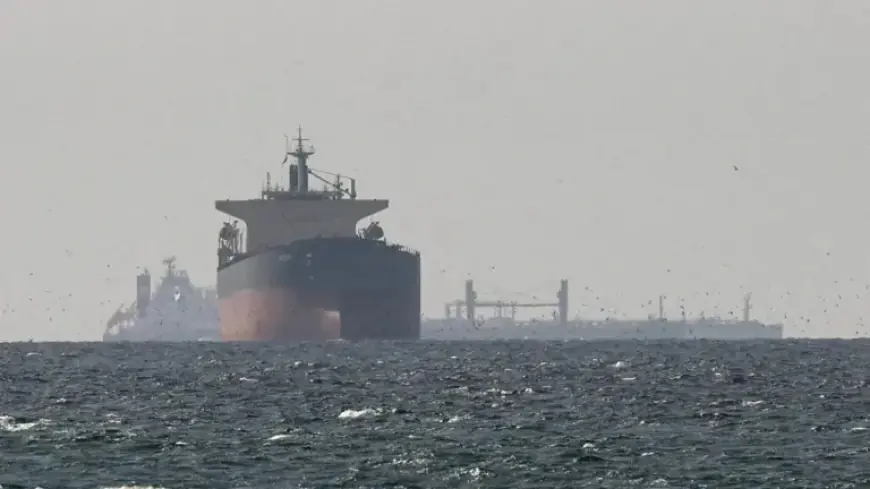
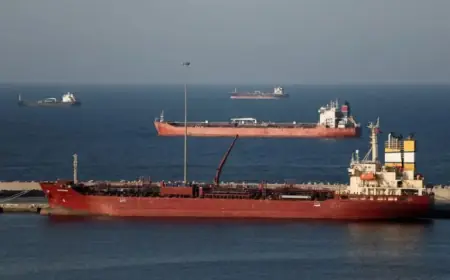
In a significant escalation of tensions in the Gulf region, President Donald Trump announced on Sunday that the United States Navy would initiate a blockade of the Strait of Hormuz. This decision follows a breakdown in ceasefire talks between the U.S. and Iran held in Pakistan, which failed to yield an agreement.
Details of the Naval Blockade
The U.S. Central Command (CENTCOM) confirmed that the blockade would commence on Monday at 10 am EDT (5:30 pm Iran time). This blockade will target all Iranian ports and will be enforced impartially against vessels from all nations. However, ships traveling between non-Iranian ports will still be allowed to pass through the Strait.
Strategic Importance of the Strait of Hormuz
The Strait of Hormuz is crucial for global trade, accounting for approximately 20% of the world’s oil shipping. President Trump emphasized the need to reopen the strait to all traffic. He expressed concerns over Iran’s actions, stating, “It’s going to be all or none, and that’s the way it is.”
Impact on Global Energy Markets
The announced blockade is expected to have a profound impact on global energy markets. The movement of commercial ships through the Strait has already been limited since the ceasefire. Marine tracking data revealed over 40 commercial vessels have crossed since hostilities were paused.
Iran’s Response to the Blockade
Reacting to these developments, Iran’s Revolutionary Guard asserted that the Strait remains under its “full control” and warned that military vessels would face a “forceful response.” This bold statement signals Iran’s commitment to defending its territorial waters amid escalating tensions with the U.S.
Context of the Ceasefire Talks
The failed negotiations represented the highest-level discussions between the U.S. and Iran since the 1979 Islamic Revolution. Vice President JD Vance, who led the U.S. delegation, indicated that key issues that led to the talks’ collapse included Iran’s nuclear program and its regional activities.
Potential for Future Dialogue
- Iran expressed willingness to continue dialogues, according to the state-run IRNA news agency.
- Pakistani Foreign Minister Ishaq Dar reported his country’s intent to facilitate further discussions.
- The European Union has urged the involved parties to pursue diplomatic solutions.
Broader Regional Instability
The ramifications of the ongoing conflict are significant. Since the war’s outset on February 28, more than 3,000 individuals have died in Iran, with thousands more casualties across Lebanon and other affected regions. The situation remains fluid, with recent military actions still targeting various factions in the area, including Hezbollah in Lebanon.
This blockade marks a critical moment in U.S.-Iran relations and underscores the fragile stability in the Middle East. The coming days will prove pivotal as international actors respond to the ongoing tensions and efforts toward potential negotiations.