























Trump Orders U.S. Navy to Blockade Strait of Hormuz Post Ceasefire Talks

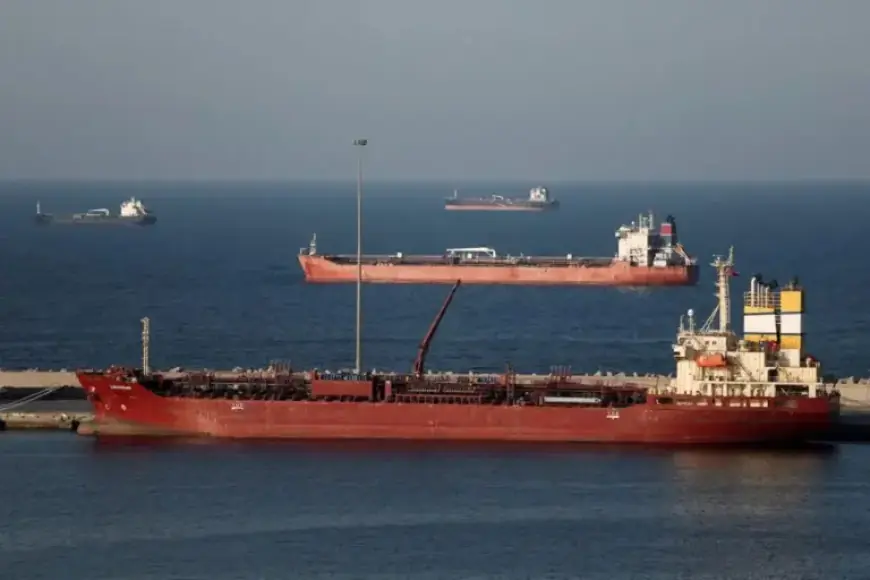
In a significant escalation following recent U.S.-Iran ceasefire talks, President Donald Trump has ordered the U.S. Navy to implement a blockade on ships navigating the Strait of Hormuz. This directive comes after negotiations in Pakistan concluded without an agreement, raising concerns over maritime security and global oil supply.
Blockade of the Strait of Hormuz
Effective Monday at 10 a.m. EDT, U.S. Central Command (CENTCOM) announced that the blockade will encompass all Iranian ports. This action aims to restrict Iranian leverage in ongoing conflicts and will apply to vessels from all nations, while still permitting non-Iranian ships to transit the strait.
Impact on Global Energy Markets
- The Strait of Hormuz is a critical maritime passage for oil, accounting for 20% of global oil shipping.
- Over 40 commercial vessels have already crossed since the ceasefire began.
- A blockade could substantially disrupt international energy markets.
Statements and Tensions
Trump emphasized a strict approach, stating that any vessel paying tolls to Iran will not pass safely through international waters. He indicated that other nations would support this initiative but did not specify which ones.
In response, Iran’s Revolutionary Guard insisted that the strait remains under Iran’s full control. They warned of a forceful response against military vessels while denying any jeopardy to non-military ships.
Ceasefire Talks and Diplomatic Efforts
The recent face-to-face talks were the highest-level negotiations between the U.S. and Iran since the 1979 Islamic Revolution. Although there was progress noted, no consensus was reached on key issues, particularly nuclear weapons and military actions in the region.
- Key U.S. demands included:
- Iran not obtaining nuclear weapons.
- Ending uranium enrichment.
- Dismantling enrichment facilities and allowing inspections.
- Iran blamed the collapse of discussions on U.S. “overreach.”
Iran’s parliament speaker, Mohammad Bagher Qalibaf, responded to Trump’s threats, indicating that Iran would retaliate if attacked. The prospect for further diplomatic engagement remains, with Pakistan offering to mediate ongoing discussions.
Future of the Ceasefire
As the ceasefire approaches its expiration on April 22, 2024, uncertainties grow regarding the future dynamics in the region. Vice President JD Vance underscored the importance of an affirmative commitment from Iran concerning its nuclear ambitions.
In the wake of these developments, the European Union and regional leaders have called for continued diplomatic dialogue to stabilize the situation and mitigate the potential for conflict. The challenges presented by Iran’s nuclear program continue to be a focal point in negotiations.
With escalating tensions and a blockade on the horizon, the global community watches closely as the situation unfolds in the Strait of Hormuz.