













Hungary’s Peter Magyar Unseats Orban in Landmark Election Victory

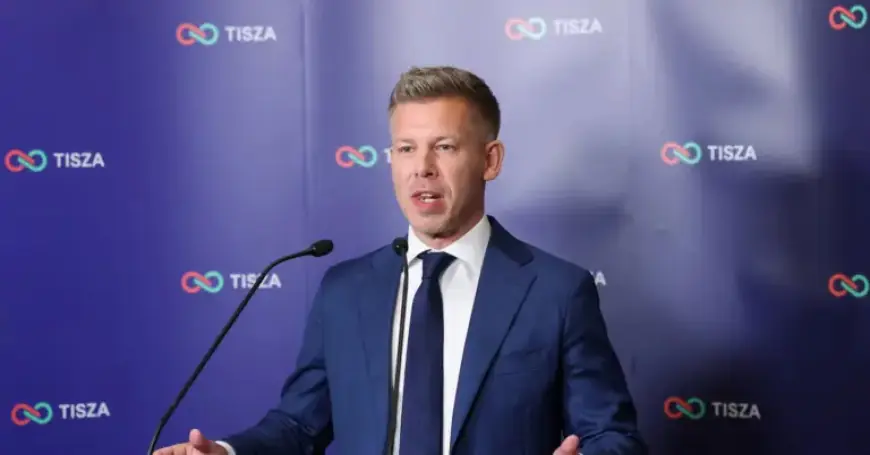
In a remarkable shift in Hungarian politics, Peter Magyar has unseated Viktor Orban after an extensive 16-year tenure as prime minister. This landmark election, held on April 12, 2026, witnessed an impressive voter turnout, underscoring the electorate’s desire for change. Magyar leads the Tisza party, a center-right political group that champions pro-European Union values.
Election Results and Political Consequences
Partial results indicated that the Tisza party would secure 137 seats in Hungary’s 199-seat parliament, achieving a commanding two-thirds majority. This significant victory is expected to reverberate beyond Hungary, influencing both Russia and various right-wing factions in Europe and the United States.
A Childhood Hero
Peter Magyar’s history with Viktor Orban dates back to his childhood when he admired Orban as an anti-Communist figure during Hungary’s first democratic elections in 1990. Magyar described the political atmosphere of his youth as energizing and transformative.
Political Awakening
Magyar rose to prominence following a public incident involving his ex-wife, Judit Varga, who resigned as Orban’s justice minister amid a scandal. This event catalyzed Magyar’s break from the Fidesz party, prompting him to criticize its corruption and propaganda.
In the June 2024 European elections, Tisza gained significant traction, finishing second to Fidesz with 30% of the vote. This momentum paved the way for Magyar’s ascension in the recent parliamentary elections.
Promises for Change
Magyar’s victory carries profound implications for Hungary’s future direction. He has vowed to restore Hungary’s relationship with the European Union, which had strained under Orban’s administration. His goals include:
- Rebuilding Hungary’s Western orientation.
- Ending reliance on Russian energy by 2035.
- Unlocking frozen EU funds to aid the economy.
- Implementing anti-corruption measures from day one in office.
Position on European Integration
Magyar’s approach to European integration contrasts with Orban’s obstructive policies. While Tisza opposes EU migrant quotas and supports maintaining the existing border fences, analysts suggest that Magyar’s party is open to a more constructive dialogue within the EU.
Campaign Strategy
Throughout his campaign, Magyar adopted strategies reminiscent of Orban, including grassroots engagement and patriotic appeals. His effective use of social media and clear messaging contributed to his rapid rise in popularity.
Born in 1981 and educated in law, Magyar has experience in both diplomacy and finance. He is a father of three and enjoys activities like cooking and soccer. Notable for his pragmatic approach, he indicated a desire to remain grounded despite the intense political landscape.
As Hungary steps into this new chapter under Peter Magyar’s leadership, many await to see how it will reshape not only the nation but the broader European political climate.